
Custom Workwear Clothing Manufacturer in Pakistan | Albeeza Apparel
Albeeza Apparel is a custom clothing manufacturer and exporter based in Sialkot, Pakistan, supporting businesses looking to develop apparel for professional, industrial, commercial, and service-related environments. Workwear clothing serves a practical purpose: it helps employees dress appropriately for their roles while supporting workplace identity, comfort, and a consistent company appearance.
From branded uniforms and workshop garments to warehouse clothing, construction workwear, hospitality uniforms, and industrial apparel, different working environments demand different garment specifications. Fabric strength, fit, pocket placement, ease of movement, laundering requirements, and branding all influence whether a workwear garment is suitable for its intended use.
For businesses sourcing custom workwear, the goal is to select clothing that reflects the company’s identity while addressing the practical requirements of the people who wear it. Albeeza Apparel can discuss workwear designs according to a buyer’s intended application, garment specifications, branding requirements, and order needs. This provides a starting point for developing apparel that aligns with the organisation’s working environment and professional image.
Custom Workwear for Different Industries and Occupations
Workwear is not a single type of clothing. The requirements of a construction worker differ from those of a warehouse operative, mechanic, delivery employee, hospitality team member, or maintenance technician. Choosing suitable garments begins with understanding the tasks employees perform and the conditions in which they work.
Industrial and workshop workwear may include work trousers, durable shirts, coveralls, and utility jackets designed around the requirements of maintenance, assembly, repair, or manufacturing tasks. Reinforced areas, practical storage, and fabric durability may be important considerations, depending on the job.
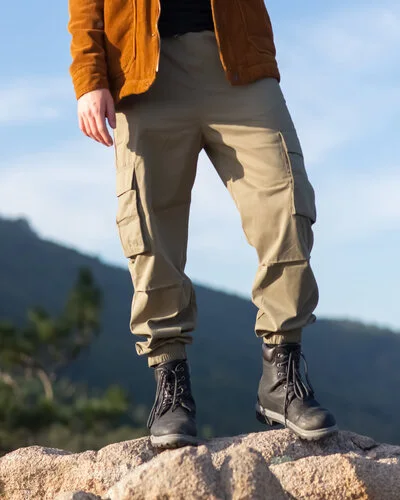
Construction and outdoor workwear often needs to account for changing weather, frequent movement, and the possibility of exposure to dirt or abrasion. Garment weight, layering options, suitable closures, and compatibility with required protective equipment should be considered during product planning.
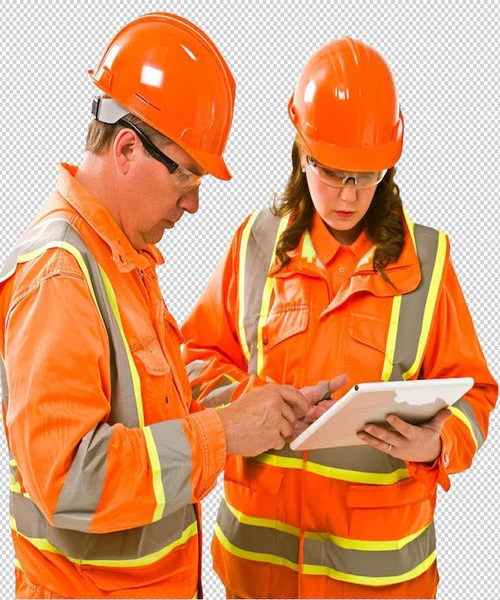
Warehouse and logistics clothing may prioritise comfortable fits, functional pockets, and ease of movement during picking, packing, handling, and transportation activities. Where employees work around vehicles or moving equipment, high-visibility clothing may also be required under applicable workplace rules.
Corporate and service workwear often places greater emphasis on a consistent appearance, employee comfort, and company branding. Branded polo shirts, work shirts, jackets, trousers, and coordinated uniform sets can help create a recognisable look across different teams.
Organisations that also need training kits or staff activewear can work with a custom sportswear manufacturer to keep branding consistent across all garments.
Albeeza Apparel can discuss these categories with businesses seeking custom workwear, helping buyers define the garments required for their workforce rather than relying on a one-size-fits-all uniform approach.

Develop a Consistent Workwear Identity for Your Company
Workwear is often one of the most visible expressions of a company’s identity. Employees wearing coordinated garments can create a more consistent appearance across branches, departments, service teams, and customer-facing environments. The design should reflect the organisation’s brand while remaining appropriate for the tasks employees perform.
Albeeza Apparel can discuss customisation options based on a company’s logo, brand colours, preferred garment styles, and uniform requirements. A business may choose embroidered polo shirts for customer-facing staff, branded work shirts for technicians, or coordinated jackets and trousers for outdoor teams. Different departments can have distinct garment designs while retaining shared branding elements.
Colour selection should account for both visual identity and practical use. Darker colours may suit some workshop environments, while lighter shades may be appropriate for other roles or climates. The suitability of any colour depends on the workplace, maintenance requirements, and the need for visibility or other specified performance characteristics.
A consistent workwear programme also requires clear decisions about sizing, garment allocation, replacement requirements, and branding placement. Planning these details before ordering can help businesses maintain a more uniform appearance when introducing new employees or replenishing garments.
Choosing Fabrics for Durable and Comfortable Workwear
Fabric selection is one of the most important decisions in workwear clothing manufacturing. The material should suit the work environment, expected frequency of use, care requirements, and the type of garment being produced. A fabric that works well for a lightweight corporate polo shirt may not be appropriate for heavy-duty work trousers.
Cotton fabrics are often considered for their familiar feel and breathability. They can suit work shirts, casual uniforms, and certain everyday workwear applications. Their suitability for demanding environments depends on the fabric construction, garment design, and expected exposure to wear or other workplace conditions.
Polyester and polyester-cotton blends may offer a useful balance of durability, maintenance characteristics, and appearance, depending on the composition and fabric structure. They are used in a range of uniform and workwear applications, although performance varies between materials and finishes.
Twill fabrics are commonly considered for work trousers, overshirts, jackets, and other garments that benefit from a structured woven construction. Their suitability depends on fabric weight, fibre composition, weave density, and the stresses the garment will encounter.
Knitted fabrics, such as polo-shirt piqué and jersey, may suit uniforms where flexibility and everyday comfort are priorities. For more demanding applications, the garment may need additional design features or a different material construction.
Albeeza Apparel can discuss fabric preferences with buyers according to the intended garment and use. Businesses should explain whether the clothing is for indoor work, outdoor duties, repeated laundering, or a particular operational environment so that material options can be considered against the actual requirements.
Workwear Construction for Everyday Use
A workwear garment needs to be designed around movement and practical use, not simply appearance. Employees may bend, reach, kneel, lift, walk for extended periods, or carry tools and equipment. The construction should account for these movements while maintaining a suitable fit.
For work trousers, buyers may need to consider waistband construction, rise, leg shape, pocket placement, and reinforcement in areas exposed to frequent movement. Work shirts and jackets may require suitable sleeve proportions, secure closures, and enough room for layering. Coveralls need to be assessed for fit, access, and compatibility with the tasks for which they are intended.
Stitching, seam placement, closures, hems, and pocket construction can all influence a garment’s usability. Reinforcement may be appropriate in selected high-stress areas, but the design should reflect the actual work environment rather than adding unnecessary features. Excessive bulk, poorly positioned pockets, or unsuitable fabric weight can make clothing less comfortable or practical.
When developing custom workwear, buyers can provide reference garments, measurement charts, drawings, or technical specifications to communicate their expectations. A sample review, where included in the agreed process, can help evaluate fit, mobility, and construction before larger production quantities are approved.

Custom Workwear Shirts, Polo Shirts, and Trousers
Many organisations build their workwear programmes around a combination of shirts, polo shirts, and trousers. These garments can be adapted for different roles while maintaining a coordinated company appearance.
Work shirts may be suitable for maintenance teams, technicians, workshops, and general service roles. Depending on the intended application, designs can include button fronts, collars, chest pockets, short or long sleeves, and selected branding details. The fabric and construction should be chosen according to the working environment and care requirements.
Workwear polo shirts offer a more relaxed alternative to traditional woven shirts. They can suit customer-facing employees, delivery teams, service businesses, and everyday company uniforms. Piqué or other suitable knitted fabrics may be considered according to the desired texture, weight, and comfort.
Work trousers require particular attention to fit, mobility, pocket design, and fabric durability. Depending on the role, buyers may prefer a straightforward uniform trouser or a more utility-focused design with additional storage and reinforcement. Features should be specified according to actual job requirements.
For organisations ordering multiple garment types, coordinating colours, labels, and logo placement can create a consistent uniform system. At the same time, each garment should remain suitable for the work performed by the people wearing it.
Coveralls and Overalls for Practical Work Environments
Coveralls and overalls are used in a variety of work settings where a single garment or a coordinated protective-style outfit may be preferred. Depending on the design, they can suit maintenance tasks, workshops, vehicle servicing, certain manufacturing environments, and other applications where practical coverage is required.
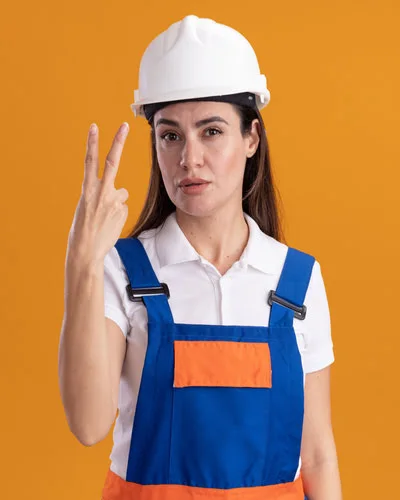
A coverall generally combines the upper and lower body in one garment, while bib-style overalls are designed to be worn with a separate shirt or other top. The right construction depends on the intended use, the required range of movement, and whether the garment needs to be worn over other clothing.
Design considerations may include fabric weight, fastening type, collar or neckline, sleeve style, pockets, waistband shaping, and ease of putting the garment on or taking it off. Where employees perform repetitive tasks, the fit should allow the necessary movement without creating excessive loose fabric or uncomfortable restriction.
It is important to distinguish ordinary workwear from certified protective clothing. A garment intended for workshop use does not automatically provide protection against chemicals, flames, electrical hazards, or other specific risks. Businesses requiring protective performance should identify the applicable standards and verify that the chosen garment has the necessary certification and documentation.
Albeeza Apparel can discuss the design requirements for custom work garments, while any safety-critical specification should be confirmed against the relevant workplace risk assessment and regulatory requirements.
High-Visibility Workwear and Safety Clothing Requirements
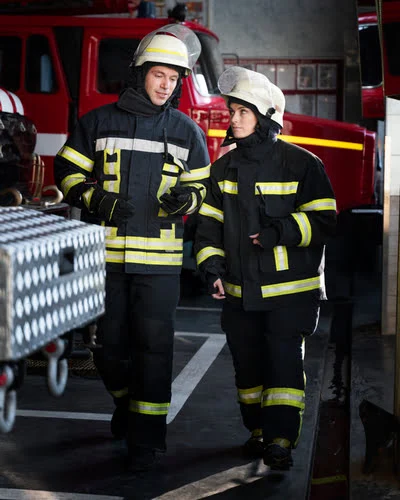
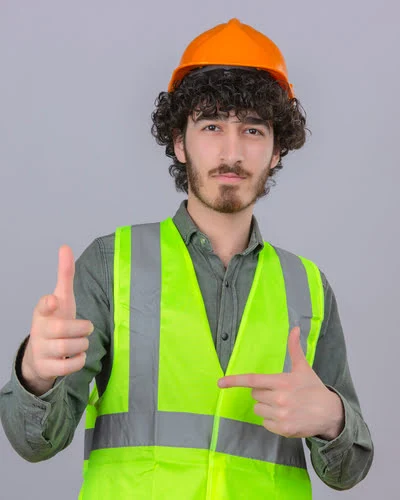
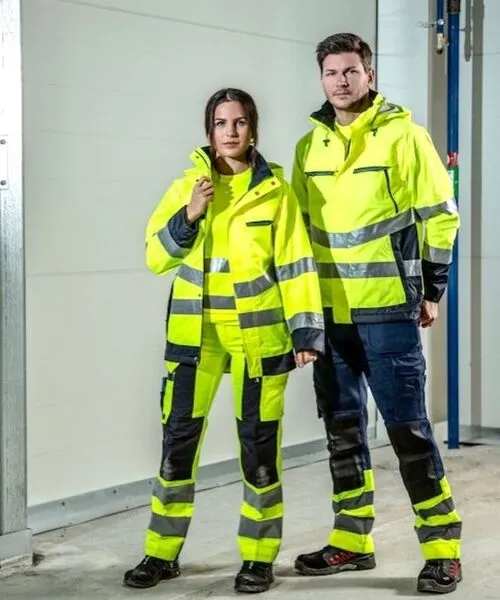
High-visibility clothing is used in environments where workers need to be more visible to vehicle operators, equipment users, or other people. It may be relevant to road maintenance, construction, logistics, traffic management, and selected outdoor operations.
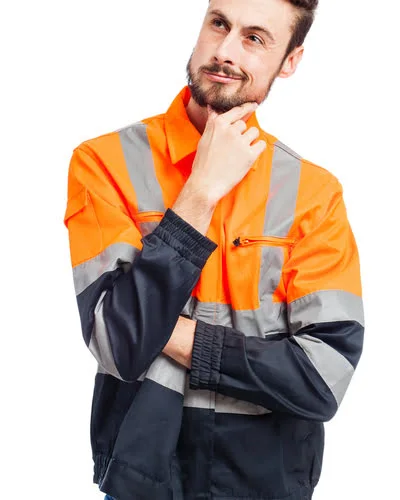
High-visibility garments commonly use fluorescent materials and reflective elements, but the appropriate design depends on the intended working conditions and applicable standards. Colour alone does not establish compliance. Garment classification, reflective material placement, coverage, visibility conditions, and the relevant testing and certification requirements all matter.
Businesses should identify whether their workers need high-visibility vests, jackets, trousers, coveralls, or coordinated garments. They should also consider how the clothing will be worn with other required personal protective equipment. Branding and additional design details must not compromise the visibility or performance requirements of a compliant garment.
Albeeza Apparel can discuss custom workwear concepts and branding requirements, but companies seeking certified high-visibility clothing must confirm that the specific product meets the applicable standard and has the required supporting documentation. Where a workplace requires protection against particular hazards, the clothing specification should be established through the organisation’s safety process rather than relying on general garment descriptions.
Branding, Embroidery, and Custom Workwear Printing
Branding can turn standard garments into a coordinated company uniform. A logo on the chest, sleeve, or back helps identify the organisation, while consistent colour choices and garment styling can support a professional appearance.
Embroidery may be suitable for company logos, names, and selected uniform details. It creates a stitched finish and can work well on many shirts, polo shirts, jackets, and heavier garments. The result depends on the artwork, stitch design, material, and placement.
Printing can suit larger graphics, staff identification, and selected branding requirements. The appropriate printing method depends on the garment fabric, artwork complexity, expected use, and care requirements. The decoration should be assessed for compatibility with the material and intended laundering conditions.
Woven labels, printed labels, and other branding components may also be considered where appropriate. For businesses ordering uniforms across several departments, it can be helpful to define logo sizes, placement, colour references, and naming conventions in advance.
Albeeza Apparel can discuss branding requirements as part of a custom workwear brief. Buyers should provide clear artwork files and specify which garments need logos, employee names, department identifiers, or other details. For high-visibility or certified protective garments, branding must also comply with any relevant design and certification restrictions.
Private-Label Workwear for Brands and Uniform Suppliers
Private-label workwear allows businesses to sell garments under their own brand or supply uniforms developed for their customers. This can suit workwear distributors, uniform suppliers, apparel retailers, and companies building a dedicated clothing range for professional users.
A private-label workwear collection may include shirts, polo shirts, trousers, jackets, coveralls, and other garments according to the intended market. Branding, labels, colours, and product specifications can be planned to create a consistent range. However, the available options and manufacturing arrangements should be confirmed for each product.
For brands developing workwear for resale, it is important to understand the needs of the target industry. A general-purpose uniform has different requirements from a garment intended for construction, food handling, chemical exposure, or electrical work. Where a product is marketed as protective equipment, its claims must be supported by the relevant product testing, standards, and documentation.
Albeeza Apparel can discuss private-label garment requirements with buyers seeking custom workwear, helping them define the design and specifications for their proposed collection. A clear product brief supports more accurate discussions about materials, construction, branding, and commercial arrangements.
Wholesale Workwear Clothing for Businesses and Distributors
Wholesale workwear sourcing can support businesses purchasing uniforms for their own employees, retailers reselling work clothing, and distributors supplying garments to multiple organisations. Depending on the requirement, an order may include a single garment type or a coordinated selection of shirts, trousers, jackets, and other workwear items.
The cost of an order depends on the fabric, garment design, construction details, branding, quantity, size range, and other agreed requirements. Additional features such as specialist trims, reinforcement, custom labels, or protective performance requirements may affect the overall specification and cost.
Before requesting a quotation, buyers should identify the intended industry, garment types, estimated quantities, colour preferences, size range, and logo requirements. They should also clarify whether garments need to meet a particular safety standard or workplace specification. This is especially important when workwear is expected to provide protection rather than simply serve as a uniform.
Minimum order quantities, sample arrangements, production timelines, payment terms, and shipping conditions should be confirmed directly with the manufacturer. These details can vary by product and order, so businesses should avoid relying on general estimates when planning procurement.
Fit, Sizing, and Comfort Across a Workforce
Workwear needs to fit the people who wear it. Poorly fitting clothing can restrict movement, become uncomfortable during long shifts, or interfere with tasks. A suitable sizing approach should consider the garment type, intended layers, work environment, and range of body measurements across the workforce.
Businesses ordering uniforms for multiple employees should establish a clear size chart and communicate whether measurements refer to the garment or the wearer’s body. For trousers, waist, hip, rise, and leg length can be important. For shirts and jackets, chest width, shoulder placement, sleeve length, and body length help define the fit.
Where employees wear clothing over other layers, the design may require additional room. However, excess fabric can also create problems in some operational environments, especially where clothing may catch on machinery or equipment. The intended workplace should therefore inform fit decisions.
Sample evaluation, where available, can help confirm sizing and comfort before a larger order is approved. Organisations should also consider whether their uniform programme needs a consistent sizing system across different garment categories and how replacement garments will be ordered in the future.
Quality Control and Garment Consistency
Workwear is often worn repeatedly and laundered frequently, making construction and material suitability important purchasing considerations. Quality assessment should consider whether the fabric matches the agreed specification, the seams are appropriately constructed, the closures function as intended, and the finished garment follows the approved measurements.
The relevant checks depend on the product. Work trousers may require particular attention to seams, pocket construction, and stress points. Shirts and polo shirts may need to be assessed for fit, colour consistency, collar construction, and the appearance of branding. Jackets and coveralls may require additional review of fastenings, lining, and functional features.
Businesses may also need to specify laundering conditions, colourfastness, shrinkage limits, or other material requirements based on their work environment. If a garment must meet a recognised protective standard, quality checks must account for the applicable certification and performance requirements rather than relying on visual inspection alone.
An approved sample and documented product specification can provide a useful reference for reviewing production. For repeat orders, keeping records of fabric composition, colours, measurements, branding artwork, and agreed construction details helps communicate expectations more consistently.
Develop Your Custom Workwear Collection With Albeeza Apparel
Effective workwear combines appropriate materials, practical construction, comfortable fit, and a design that suits the workplace. For some organisations, the priority is a consistent branded uniform. For others, it is a carefully specified garment designed around the demands of a particular role. Defining those needs is essential to choosing the right product.
Albeeza Apparel welcomes inquiries from businesses, clothing brands, uniform suppliers, and wholesale buyers exploring custom workwear clothing manufacturing in Pakistan. Whether the requirement involves branded work shirts, polo shirts, trousers, jackets, coveralls, or a coordinated workwear collection, buyers can begin by sharing their design references, fabric preferences, sizing requirements, branding details, and estimated quantities.