
Custom Puffer Jacket Manufacturer in Pakistan – Albeeza Apparel
Albeeza Apparel is a custom clothing manufacturer and exporter based in Sialkot, Pakistan, supporting businesses that want to develop apparel around their own designs and brand identity. Puffer jackets are a popular outerwear category recognised for their quilted construction, padded appearance, and ability to create a warm, distinctive silhouette. They are used across winter fashion, streetwear, casualwear, outdoor-inspired clothing, and private-label outerwear collections.
For clothing brands, a puffer jacket offers opportunities to combine practical design with a strong visual identity. Some collections call for lightweight padded jackets that are easy to layer, while others focus on oversized silhouettes, high collars, glossy fabrics, cropped cuts, or heavier winter styles. The finished product depends on the relationship between the outer shell, insulation, lining, quilting pattern, fit, and finishing details.
Albeeza Apparel can discuss custom puffer jacket requirements with clothing brands, retailers, and wholesale buyers according to their design briefs, preferred materials, sizing needs, and branding specifications. Establishing these details early helps define the intended garment and provides a clearer basis for discussing production requirements.
Create Custom Puffer Jackets for Your Clothing Brand
A puffer jacket can serve as a functional winter garment or a statement piece within a fashion collection. A minimalist clothing brand may prefer a clean silhouette, subtle branding, and a matte finish. A streetwear label may choose an oversized fit, bold colours, larger quilted sections, and a distinctive hood. Outdoor-inspired collections may focus more closely on practical pockets, adjustable features, and materials selected for the intended weather conditions.
Albeeza Apparel approaches custom puffer jacket development around the buyer’s intended design rather than treating every padded jacket as the same product. Reference photographs, technical drawings, colour palettes, size specifications, and material preferences help communicate the expected result. Buyers can also identify the target season, intended customer, and preferred balance between appearance, warmth, and ease of movement.
These details matter because changing one feature can influence others. A larger quilted pattern may create a different visual effect from narrow channels, while the type of insulation affects the jacket’s volume and drape. By considering these elements together, brands can develop a product concept that better reflects their collection.
Understanding Different Types of Puffer Jackets
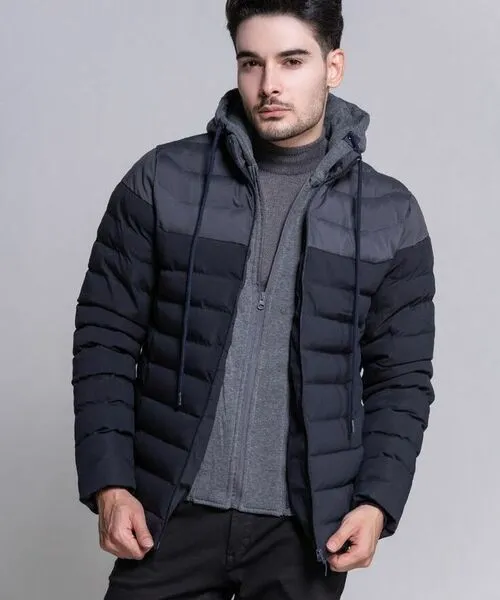
Puffer jackets are available in several styles, and the right choice depends on the collection’s purpose, intended climate, and preferred silhouette.
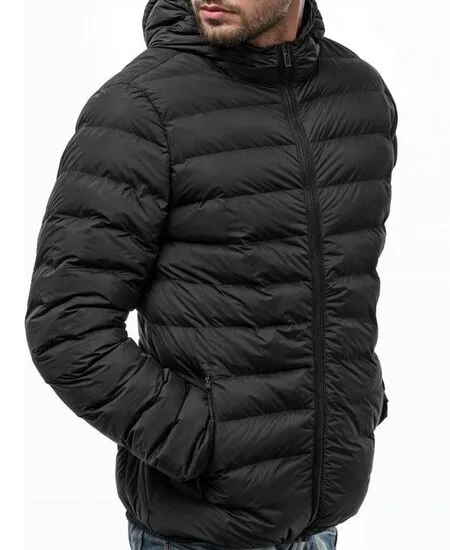
Lightweight puffer jackets use a relatively low-bulk construction and can be suitable for transitional weather, travel, or layering. Their design often prioritises flexibility and ease of wear rather than maximum insulation.
Winter puffer jackets are designed with warmth in mind. Their insulation, outer shell, lining, and overall construction should be selected according to the expected conditions. The amount of visible puffiness alone does not establish how warm a jacket will be.
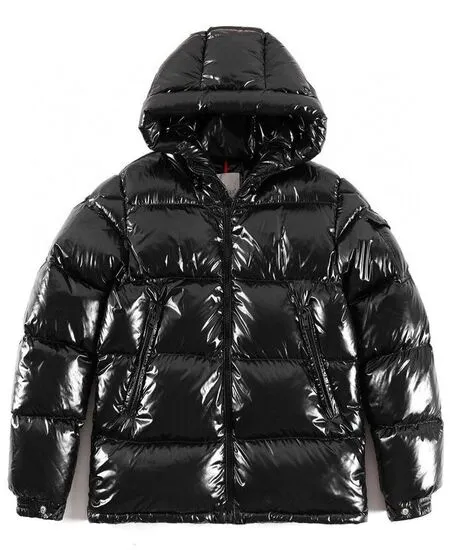
Oversized puffer jackets are popular in contemporary streetwear. Their broad proportions, dropped shoulders, and generous volume create a statement silhouette. Pattern development needs to account for sleeve shape, body length, collar or hood size, and the distribution of padding.
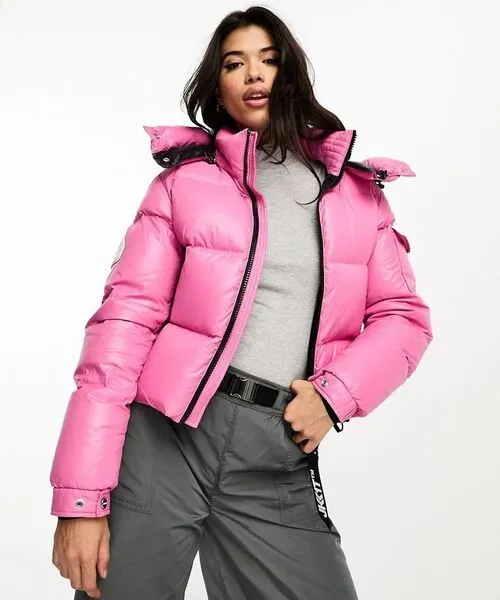
Cropped puffer jackets offer a shorter body length and can suit fashion-led collections. Their proportions need careful planning so that the hem, sleeves, and overall volume work together.
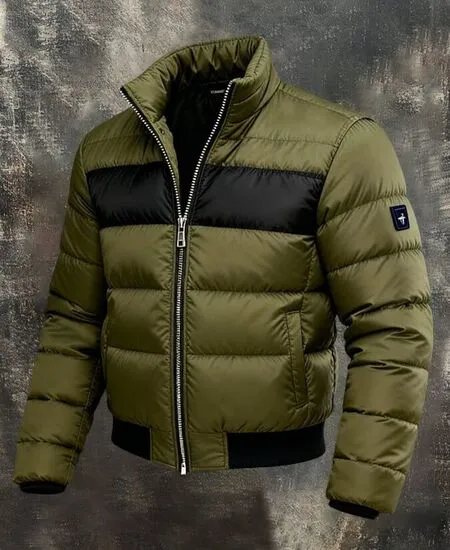
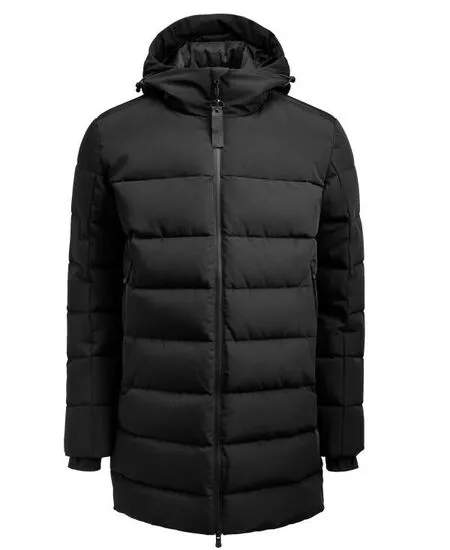
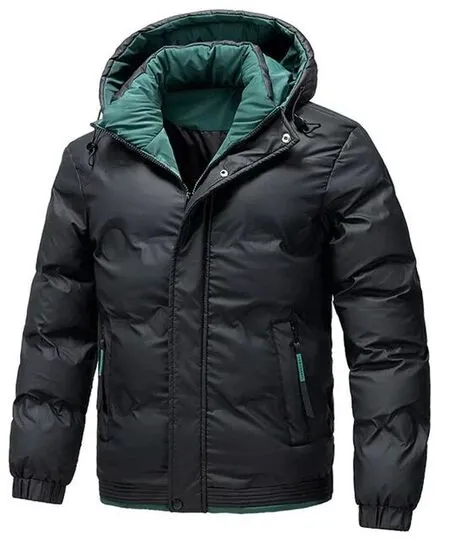
Hooded puffer jackets add coverage around the head and neck, while collar-based designs can create a cleaner appearance. Other variations include sleeveless puffer vests, colour-blocked styles, reversible designs, and longer padded jackets.
For Albeeza Apparel buyers, selecting the style first helps determine the relevant material, construction, insulation, and finishing requirements.
Selecting Outer Shell Fabrics for Puffer Jackets
The outer shell influences a puffer jacket’s appearance, durability, hand feel, and suitability for different conditions. Fabric selection should account for the intended use, desired finish, insulation type, and overall design.
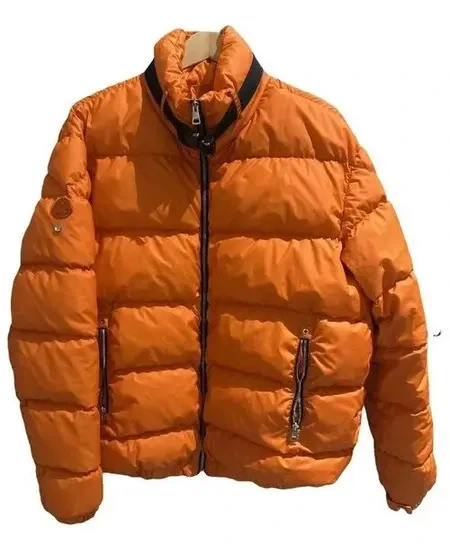
Polyester fabrics are commonly used in padded outerwear because they can be developed in different weights, textures, and finishes. Depending on the construction and treatment, they may provide a smooth, matte, or glossy surface. They can suit both practical outerwear and fashion-oriented designs.
Nylon fabrics are another option for puffer jacket shells. Their suitability depends on the specific fabric construction, weight, finish, and intended performance. Some nylon fabrics are selected for lightweight applications, while others may be used in more structured outerwear.
Matte fabrics can create an understated appearance for everyday or premium-inspired collections, whereas shiny shells can give a jacket a more pronounced, fashion-led look. Ripstop-style fabrics may also be considered when their distinctive grid texture suits the design.
Buyers should not assume that a fabric is waterproof or windproof based on its fibre alone. These properties depend on the material construction, coatings, membranes, treatments, and garment design. If a jacket is intended for wet or windy conditions, the required performance should be specified and verified through relevant material information or testing.
Choosing the Right Insulation and Padding
Insulation is central to a puffer jacket’s purpose. It influences warmth, bulk, weight, compressibility, and the garment’s overall shape. The appropriate option depends on the target market, intended climate, product positioning, and desired care requirements.
Synthetic insulation is commonly used in padded jackets and can be designed in different thicknesses and constructions. It may be suitable for brands looking for a range of insulated styles, from lightweight fashion jackets to more substantial winter outerwear. However, its warmth and performance vary by the insulation material and construction.
Down insulation, where selected, is associated with lightweight warmth and compressibility. Its suitability depends on the intended product, sourcing requirements, construction, and care considerations. Brands considering down should clearly define the insulation specifications and any relevant sourcing standards they require.
The visible volume of a puffer jacket is not a reliable measure of insulation performance by itself. Two jackets with a similar silhouette may differ in warmth because of their filling, insulation distribution, shell materials, and construction. Buyers should therefore describe the expected use and warmth requirements instead of relying solely on the jacket’s appearance.
Albeeza Apparel can discuss insulation preferences as part of a custom product brief. The selected filling, construction, and intended performance should be agreed before manufacturing arrangements are confirmed.
Quilting Patterns That Define the Jacket's Appearance
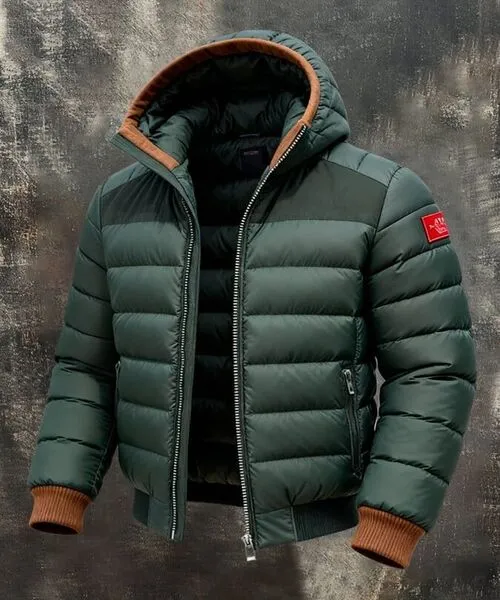
Quilting holds or separates the insulation within the jacket and creates the distinctive padded sections associated with puffer outerwear. The pattern also influences how the garment looks, how the padding is distributed, and how the jacket follows the body.
Horizontal quilting is a familiar option that creates a traditional puffer appearance. Narrow channels can produce a more segmented look, while wider sections create a bolder, more voluminous effect. Diamond quilting introduces a different visual texture, and shaped or varied quilting patterns may suit more fashion-led designs.
The pattern should complement the jacket’s proportions. For example, oversized puffer jackets may use larger padded sections to reinforce their volume, whereas a more fitted silhouette may need quilting that works with the intended body shape. Hooded designs, sleeves, side panels, and pockets should also be considered so that the overall construction remains visually consistent.
Quilting decisions should be made alongside the insulation and shell fabric because these components work together. Buyers can share reference images or technical drawings to communicate the desired pattern and placement before finalising the design.
Lining, Zippers, Pockets, and Functional Details
The interior and fastening details contribute to a puffer jacket’s usability and finish. A suitable lining can improve comfort and help the garment slide over other clothing, while its weight and construction should remain compatible with the jacket’s intended use.
Zippers are a prominent component on many puffer jackets. Their length, colour, puller design, and placement should suit the overall style. Depending on the product brief, the jacket may also include a storm flap, snap-button fastening, or other closure details. These features should be evaluated according to the garment’s intended function rather than added solely for appearance.
Pocket design is another important consideration. Side pockets can provide everyday practicality, while zipped pockets may be preferred for selected outdoor-inspired or travel styles. Internal pockets, chest pockets, and decorative pocket arrangements can be included where they support the design.
Additional details may include adjustable hems, elasticated cuffs, snap fasteners, hood adjustments, and chin guards. Each feature affects the product’s construction and may influence cost, so buyers should identify which details are essential. If the jacket is intended for specific weather conditions, functional claims should be supported by the actual design and material performance.
Custom Puffer Jackets for Streetwear and Fashion Labels
Puffer jackets have become a defining outerwear option for many streetwear and contemporary fashion collections. Their volume creates opportunities to experiment with proportions, surface finishes, colour, and branding. Oversized silhouettes, cropped bodies, contrasting panels, glossy shells, and bold colourways can all contribute to a recognisable fashion direction.
A streetwear brand might prefer a statement puffer with a high collar, large padded sections, and prominent back branding. Another label may choose a restrained design with a matte shell, concealed details, and a small embroidered logo. Neither approach is universally better; the right design depends on the brand’s audience and intended collection.
Colour selection should also consider how the jacket works with other garments. Neutral shades can support versatile everyday styling, while bright colours and colour blocking can make the product more visually prominent. When puffer jackets are developed alongside hoodies, sweatshirts, tracksuits, or other outerwear, consistent colour choices and branding can help create a coordinated range.
Albeeza Apparel can discuss these creative directions with buyers planning custom outerwear. Clear references and design specifications help distinguish the intended product from a generic padded jacket.
Private Label Puffer Jacket Manufacturing
Private-label manufacturing allows clothing brands to develop puffer jackets under their own name, with designs and branding tailored to their collection. Depending on the agreed product and available options, a custom jacket may include selected shell fabrics, insulation, lining, quilting patterns, colours, labels, and decorative details.
A fashion label may use private-label puffer jackets to expand into seasonal outerwear, while an established retailer may want a distinctive design for its own collection. Start-up brands can also explore custom padded jackets, provided the product requirements and order arrangements are suitable.
Branding can involve embroidered logos, printed graphics, woven labels, custom zipper pullers, or other agreed details. The appropriate method depends on the material, artwork, placement, and desired finish. For shell fabrics with a slippery or coated surface, the decoration method should be assessed for compatibility before it is finalised.
Buyers should provide clear logo artwork, colour references, label details, and placement instructions. If sample development is part of the agreed process, reviewing a sample can help assess the branding, fit, material combination, and overall appearance before bulk production approval.
Wholesale Puffer Jackets for Retail and Resale
Wholesale puffer jackets can suit clothing retailers, online stores, streetwear brands, fashion distributors, and businesses developing seasonal outerwear collections. Some buyers may need a straightforward padded jacket in several colours, while others may require custom silhouettes, specific insulation, branded trims, or more detailed construction.
The cost of a puffer jacket depends on several factors, including the outer shell, filling, lining, quilting, zippers, pockets, branding, order quantity, and other manufacturing requirements. A lightweight fashion jacket may involve different material and construction choices from a heavily insulated winter design. For this reason, an accurate quotation requires a sufficiently detailed product brief.
Before requesting wholesale pricing, buyers should specify the jacket style, intended use, shell material, insulation preference, colourways, size range, branding, and estimated quantity. They should also confirm minimum order quantities, sample arrangements, production timelines, payment terms, and shipping details directly with the manufacturer.
For wholesale buyers, pricing should be considered alongside construction consistency, material suitability, communication, and adherence to approved specifications. A well-defined product helps both the buyer and manufacturer understand what is expected from the order.
Fit, Pattern Development, and Size Consistency
A puffer jacket’s fit affects comfort, layering, and visual proportion. A jacket intended for winter layering may require more room through the chest, shoulders, and sleeves than a lightweight fashion style. Oversized designs need carefully planned proportions, while shorter or more fitted silhouettes require attention to body length and the distribution of padding.
Pattern development should account for chest width, shoulder placement, sleeve length, armhole shape, hem width, and the volume created by insulation. A jacket can appear substantially different after padding is added, so the outer pattern and internal construction need to be considered together.
For brands offering several sizes, a clear measurement chart is essential. Buyers should identify whether measurements refer to the garment or the wearer and specify the intended fit. This reduces ambiguity around labels such as regular, relaxed, and oversized, which can mean different things across brands.
Where sample development is included, the sample can be reviewed for movement, layering comfort, sleeve shape, jacket length, and overall proportions. Changes should be recorded in the approved specification so that the final production follows the agreed design as closely as possible.
Quality Considerations in Puffer Jacket Production
Quality assessment for a puffer jacket involves more than checking the outer fabric. The shell, lining, insulation, quilting, seams, zippers, pockets, and finishing all contribute to the finished product. These elements should be reviewed against the agreed design and material specifications.
Quilting should be consistent with the intended pattern, and the insulation should be distributed according to the approved construction. Buyers may also want to assess whether the jacket maintains its intended shape, whether the seams are suitably constructed, and whether the fastening components function as expected.
Material characteristics such as colourfastness, seam strength, shrinkage, and resistance to surface wear may be relevant depending on the jacket’s purpose. If water resistance, wind resistance, or particular thermal performance is required, these expectations should be defined in measurable terms where possible and supported by relevant testing or supplier documentation.
Sample approval and clear written specifications can help establish the expected standard. For repeat orders, retaining approved fabric details, colour references, size charts, quilting instructions, and branding artwork can make it easier to communicate the same requirements again.
Develop Your Custom Puffer Jacket Collection With Albeeza Apparel
A well-designed puffer jacket brings together suitable insulation, an appropriate outer shell, thoughtful quilting, comfortable fit, and finishing that reflects the intended brand identity. Whether the collection focuses on contemporary streetwear, everyday winter clothing, lightweight layering, or private-label outerwear, each component should be selected according to the product’s purpose.
Albeeza Apparel welcomes inquiries from clothing brands, retailers, and wholesale buyers exploring custom puffer jacket manufacturing in Pakistan. By sharing design references, material preferences, insulation requirements, measurements, branding details, and estimated quantities, businesses can begin a focused discussion about their product concepts and manufacturing options.
Quality assessment for a puffer jacket involves more than checking the outer fabric. The shell, lining, insulation, quilting, seams, zippers, pockets, and finishing all contribute to the finished product. These elements should be reviewed against the agreed design and material specifications.
Quilting should be consistent with the intended pattern, and the insulation should be distributed according to the approved construction. Buyers may also want to assess whether the jacket maintains its intended shape, whether the seams are suitably constructed, and whether the fastening components function as expected.
Material characteristics such as colourfastness, seam strength, shrinkage, and resistance to surface wear may be relevant depending on the jacket’s purpose. If water resistance, wind resistance, or particular thermal performance is required, these expectations should be defined in measurable terms where possible and supported by relevant testing or supplier documentation.
Sample approval and clear written specifications can help establish the expected standard. For repeat orders, retaining approved fabric details, colour references, size charts, quilting instructions, and branding artwork can make it easier to communicate the same requirements again.