
Custom Safety Coverall Manufacturer in Pakistan – Albeeza Apparel
Safety coveralls are an essential part of workwear for industries where employees need full-body garment coverage, practical movement, and clothing suited to specific workplace conditions. From manufacturing plants and maintenance workshops to construction sites, industrial facilities, and equipment servicing operations, the right coverall can support workforce comfort, help protect everyday clothing, and contribute to a consistent professional appearance.
Albeeza Apparel is a custom clothing manufacturer and exporter based in Sialkot, Pakistan, serving businesses looking for tailored apparel and wholesale clothing solutions. For companies sourcing custom safety coveralls, the development process begins with understanding the intended work environment, garment design, fabric requirements, sizing, and branding preferences. These details help determine which specifications are appropriate for the intended application.
A safety coverall should not be selected on appearance alone. Its material, construction, closure system, fit, and any required protective features need to reflect the conditions in which it will be worn. Albeeza Apparel can discuss these requirements with buyers to help define a suitable custom garment specification.
Custom Safety Coveralls for Different Industries
Different industries place different demands on workwear. A suitable safety coverall needs to account for the tasks employees perform, the surrounding environment, and the amount of movement required during a working shift.
In manufacturing and assembly facilities, coveralls may be selected to provide practical coverage during routine production activities. Workshop and maintenance teams may need functional designs that accommodate bending, reaching, and handling equipment. Construction and infrastructure businesses may prefer workwear that creates a consistent team appearance while meeting their site-specific clothing requirements.
Automotive servicing, engineering, warehousing, and industrial support operations can also have distinct requirements for fabric weight, pocket placement, garment fit, and ease of maintenance. For these applications, a custom safety coverall can be developed around the buyer’s intended use rather than relying on a single design for every working environment.
Albeeza Apparel works with buyers to discuss the intended application and relevant garment specifications before an order is defined. This helps establish a clearer direction for custom development, particularly for companies sourcing workwear for employees, uniform programs, or commercial clothing collections.
What Makes a Safety Coverall Different from Standard Workwear?
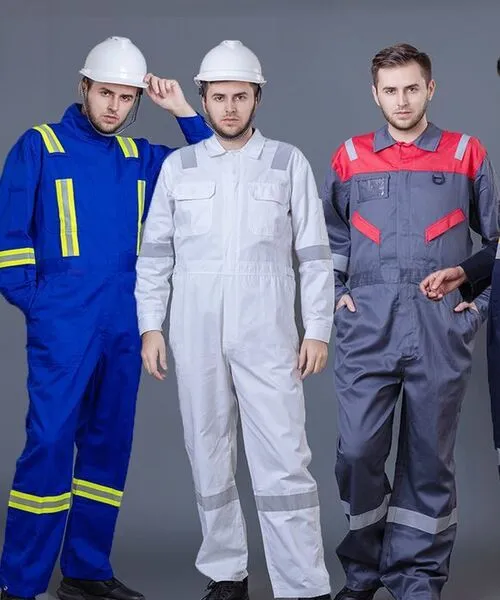
A safety coverall is a one-piece garment designed to cover the torso, arms, and legs. Compared with separate work shirts and trousers, its integrated design offers more continuous clothing coverage and can make it practical for certain industrial and maintenance tasks.
The term safety coverall covers several garment types, and not every coverall provides the same level of protection. Some are designed primarily for general workplace use, helping keep regular clothing clean and providing a uniform appearance. Others are developed for specific hazards and may require specialized fabrics, construction methods, testing, and certification.
For example, a coverall intended for routine equipment maintenance has different requirements from one intended for exposure to flames, electrical hazards, chemical splashes, or hazardous particles. Buyers should identify the actual workplace risks before choosing a garment and should not assume that a standard workwear coverall provides certified protection against particular hazards.
Choosing the Right Fabric for Industrial Coveralls
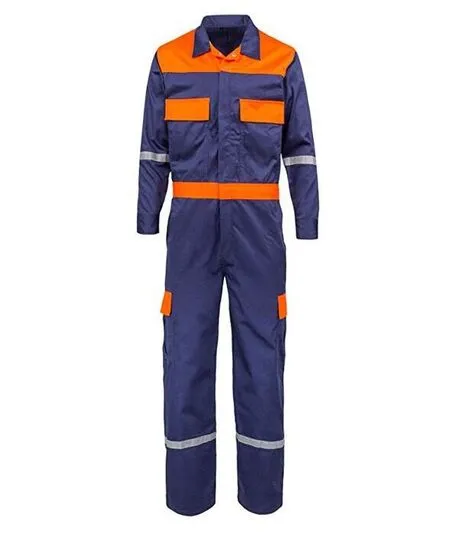
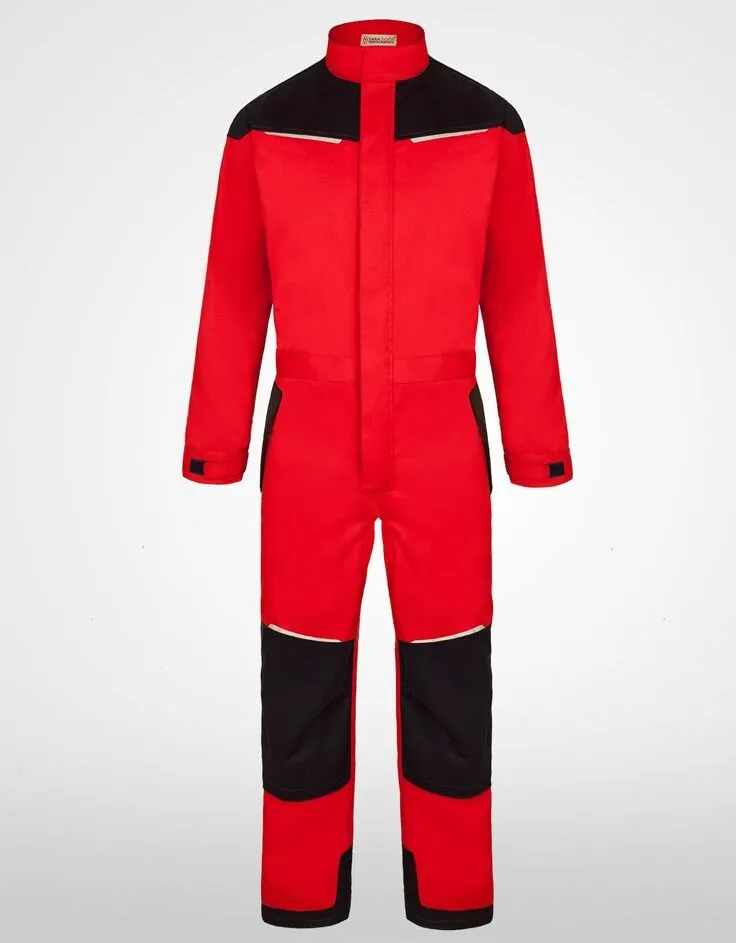
Fabric selection plays an important role in the comfort, durability, and suitability of a safety coverall. The most appropriate material depends on the working environment, expected wear, laundering requirements, and any applicable protective performance standards.
Cotton fabrics may be considered for applications where breathability and everyday comfort are important. Polyester and cotton blends can offer a balance of practical wear characteristics, depending on the fabric construction and blend ratio. Other technical fabrics may be necessary where specific workplace conditions demand specialized performance.
Fabric weight is another consideration. Lightweight materials may be suitable for certain warm environments and less demanding tasks, while heavier fabrics may be preferred for applications involving frequent contact with equipment or rough surfaces. However, heavier fabric does not automatically mean greater safety. The garment must be evaluated against the actual hazards and required performance criteria.
When planning custom safety coveralls with Albeeza Apparel, buyers should communicate their fabric preferences, working conditions, expected cleaning procedures, and any mandatory material specifications. Where the coverall must meet a particular protective standard, the exact material and garment construction should be verified against that requirement before production is approved.
Safety Coverall Design, Fit, and Functional Construction
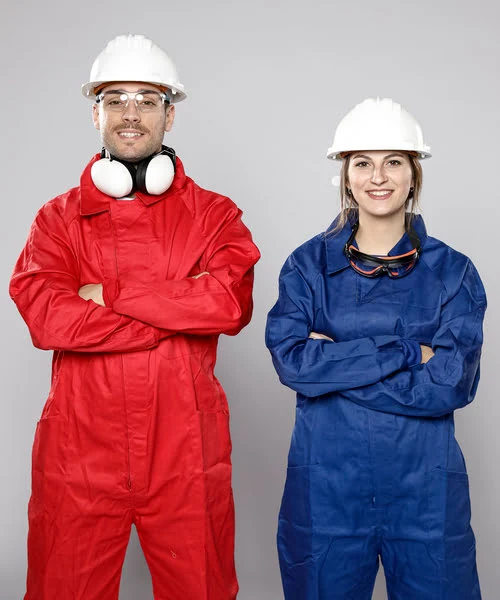
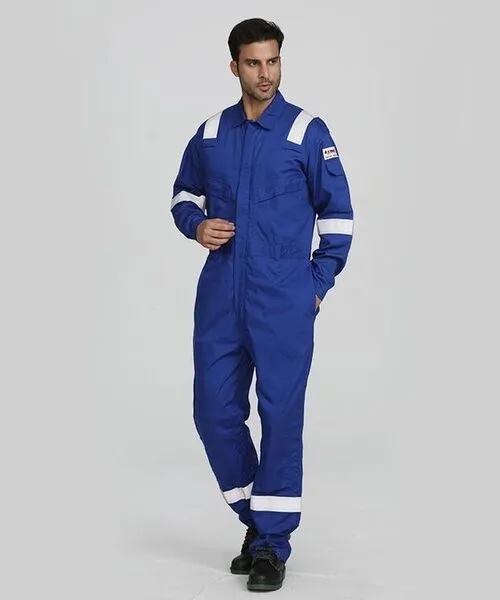
A well-designed coverall needs to accommodate the wearer’s working movements without creating unnecessary bulk or restricting normal activity. Fit is especially important in industrial settings, where employees may spend long periods standing, walking, bending, lifting, or reaching.
The garment pattern should provide suitable room through the shoulders, torso, seat, knees, and arms for the intended work. Sleeve and leg lengths also need to be considered across the required size range. An excessively tight coverall can restrict movement, while an overly loose garment may create practical or snagging concerns around machinery.
Closure design is another important detail. Depending on the application, a coverall may use a front zipper, protective closure flap, snaps, or other specified fastening components. Pocket placement should support the tasks for which the garment is intended without compromising required protective features. Reinforced areas may also be considered where repeated wear places additional demands on the fabric.
Albeeza Apparel can discuss these design elements as part of a custom coverall specification. The final pattern, closures, seams, pockets, and finishing details should be selected according to the intended use and any relevant safety requirements rather than added simply for appearance.
Types of Safety Coveralls for Different Requirements
Safety coveralls are available in different designs, and choosing the right type depends on the level of protection and functionality required.
General industrial coveralls are commonly associated with maintenance, production support, workshops, and similar working environments. Their primary purpose may be practical clothing coverage, workplace uniformity, and protection of personal clothing from ordinary dirt and grime.
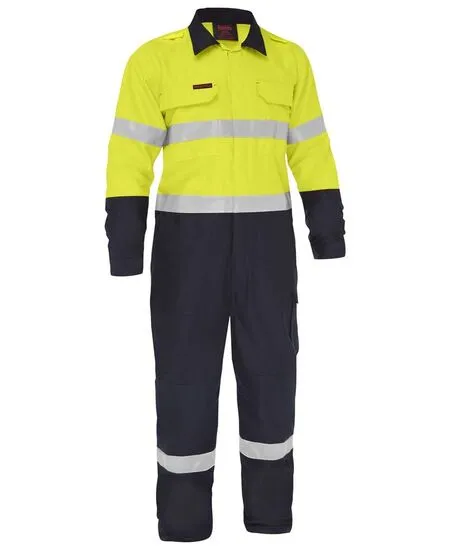
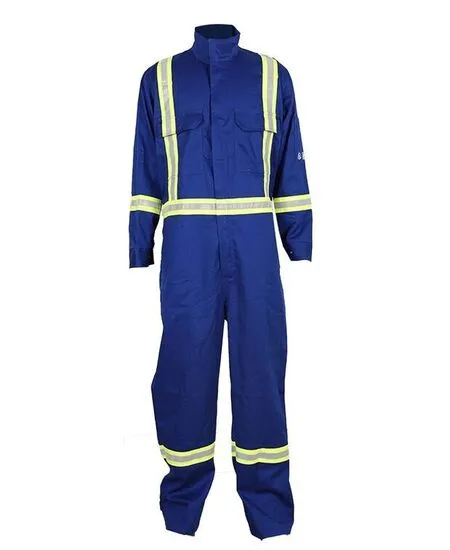
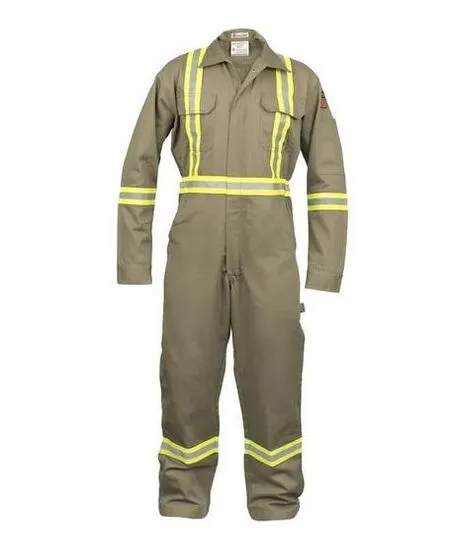
High-visibility coveralls are designed for situations where workers need to be more visible to vehicle operators or other people in the surrounding area. Their suitability depends on factors such as background material, reflective components, garment design, and the applicable high-visibility standard. A bright colour alone does not make a coverall compliant high-visibility protective clothing.
Flame-resistant and heat-protective coveralls are intended for specific thermal hazards and must be developed using appropriate materials and construction. Ordinary workwear fabrics should not be presented as flame-resistant without supporting evidence.
Chemical-protective coveralls are selected according to the chemicals involved, the form of exposure, and the protection level required. Not all fabrics resist chemical penetration, and a garment suitable for one substance may be unsuitable for another.
Disposable or limited-use coveralls may be considered for certain contamination-control, cleaning, or industrial processes. Their suitability depends on the intended application, material properties, and any relevant protection requirements.
These categories are not interchangeable. Businesses should define the relevant workplace hazards and consult competent safety professionals when selecting protective clothing for regulated or high-risk environments.
High-Visibility Features and Reflective Tape Requirements
Some workplaces require coveralls that help workers remain visible in low-light conditions, near moving vehicles, or around industrial equipment. In these settings, high-visibility clothing may be part of a wider workplace safety system.
Design considerations can include fluorescent background materials, reflective tape placement, garment colour, and the amount of visible material around the torso and limbs. These elements must be coordinated with the relevant standard and the intended risk environment. Reflective tape also needs to be appropriate for the expected laundering conditions and garment use.
For companies sourcing custom high-visibility coveralls, it is important to provide the required performance standard and class, where applicable, rather than specifying only a colour or reflective strip. Albeeza Apparel can discuss the required design brief, but any claims of certified compliance must be supported by valid evidence for the finished garment and its components.
Flame-Resistant and Specialized Protective Coveralls
Industries involving heat, sparks, or potential flame exposure may require specialized protective coveralls. In these applications, the garment specification needs to address more than the appearance and weight of the fabric.
The selection process may involve evaluating fabric performance, seams, fasteners, garment coverage, layering compatibility, and the applicable testing or certification requirements. The correct standard depends on the hazard, workplace procedures, and jurisdiction. For example, clothing intended for welding-related risks may have different requirements from clothing intended for other forms of heat or flame exposure.
Electrical arc hazards, chemical exposure, and other specialized risks require their own assessment and should not be treated as equivalent to ordinary industrial workwear. A standard cotton-polyester coverall should not be marketed as suitable for these hazards unless its performance has been properly established.
Albeeza Apparel encourages buyers to share the exact specifications for specialized coveralls before confirming a design. This allows the discussion to focus on the necessary garment requirements and the evidence needed to support any protective claims.
As a reliable safety coverall manufacturer in Pakistan, Albeeza Apparel serves clients across the USA, UK, Europe, Australia, and the Middle East. Our export-ready manufacturing process ensures smooth communication, professional handling of orders, and on-time global delivery.
We are committed to building long-term partnerships with companies that require dependable and high-quality safety workwear.
Custom Safety Coveralls with Company Branding
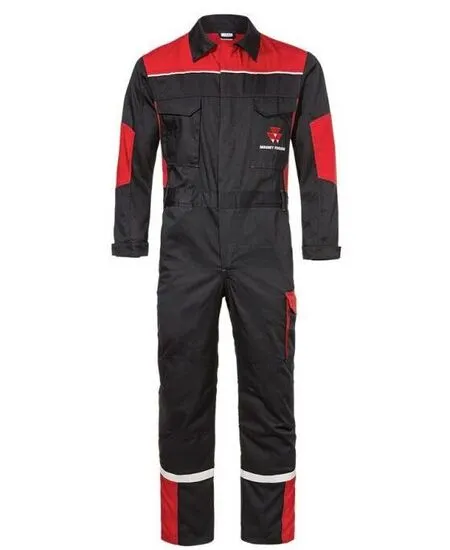
For businesses ordering uniforms for a workforce, branding can help create a consistent and professional appearance across departments, sites, and teams. Custom safety coveralls can incorporate a company logo, approved brand colours, employee identification areas, or other design details where these are appropriate for the garment’s intended use.
Brand placement should be planned carefully. Logos and labels must not interfere with reflective elements, protective materials, closures, or any required garment markings. For certified protective clothing, modifications such as embroidery, printing, patches, and added accessories may affect compliance and should be permitted by the applicable garment specification.
Albeeza Apparel can discuss branding preferences as part of the custom clothing brief, including the desired logo placement and overall appearance. Buyers should provide suitable logo artwork and any brand guidelines required to establish the intended design.
Companies can also extend their uniform programme with branded sweatshirts for cooler working conditions and staff use.
Wholesale Safety Coveralls for Businesses and Uniform Suppliers
Companies purchasing safety coveralls in larger quantities often need consistency across garment sizes, colours, designs, and branding. Uniform suppliers, workwear distributors, industrial businesses, and private-label clothing brands may also require a dependable specification that can be communicated clearly throughout the purchasing process.
A well-prepared wholesale brief should identify the intended application, required size range, fabric specification, preferred colours, closure design, pocket configuration, logo requirements, and target order quantity. If protective standards apply, the brief should include the exact standard and any documentation required for verification.
Albeeza Apparel, based in Sialkot, Pakistan, provides a point of contact for businesses exploring custom clothing manufacturing and export opportunities. Buyers can discuss the intended coverall design and order requirements to establish whether the proposed specifications are suitable for their needs.
Rather than choosing a supplier based on price alone, businesses should consider material suitability, construction requirements, sizing consistency, sample approval, communication, and the documentation available for any protective-performance claims. These factors are important when sourcing workwear for ongoing commercial use.
Sizing and Comfort for Different Workforces
A safety coverall must fit the people who will wear it. A design that works well for one size or body shape may not offer the same comfort or movement across an entire workforce.
Businesses should establish the required size range and provide accurate measurements or a suitable sizing reference. Important measurements may include chest, waist, hip, sleeve length, inseam, and overall garment length. Additional allowances may be necessary when the coverall will be worn over other clothing or as part of a layered protective-clothing system.
Fit should also reflect the intended tasks. Workers who frequently bend, climb, kneel, or reach overhead may need a pattern that allows these movements without pulling at the shoulders or restricting the legs. At the same time, garment looseness must be managed carefully around moving machinery.
For custom orders, Albeeza Apparel can discuss sizing information and sample requirements with the buyer before the final specification is approved. Reviewing the fit and construction of a sample, where available, can help identify adjustments before proceeding with a larger order.
Quality Considerations When Sourcing Safety Coveralls
The quality of a safety coverall depends on the suitability of its materials and the consistency of its construction. Fabric strength, seam quality, stitching, fastener performance, pocket attachment, sizing accuracy, and finishing can all influence how a garment performs during everyday use.
For protective coveralls, quality assessment must also account for the relevant safety requirements. A visually well-made garment is not automatically certified protective equipment. Where a particular standard is required, buyers should verify that the correct testing, certification, labelling, and supporting documentation apply to the specific finished garment.
Businesses can improve purchasing clarity by confirming specifications in writing, agreeing on sample approval procedures, establishing inspection expectations, and checking that any permitted garment modifications are documented. Care and laundering instructions should also be considered, especially where repeated washing may affect fabric performance or reflective components.
Albeeza Apparel can discuss these quality-related requirements during the order-planning stage. The exact inspection process, available documentation, and protective-compliance evidence should be confirmed for the particular product rather than assumed for every coverall design.
Source Custom Safety Coveralls from Albeeza Apparel
Finding the right safety coverall starts with choosing a design that suits the workplace, fits the workforce, and meets the requirements of the intended application. Whether a business needs general industrial coveralls, branded workforce uniforms, wholesale workwear, or a garment developed around a specific protective specification, clear product requirements are essential.
Albeeza Apparel welcomes inquiries from businesses, workwear buyers, uniform suppliers, and clothing brands interested in custom safety coveralls manufactured in Pakistan. Contact Albeeza Apparel to discuss your design, fabric preferences, sizing, branding, order quantity, and any applicable protective-clothing standards so the requirements can be reviewed before an order is finalized.