
Sweatshirt Manufacturer and Supplier in Pakistan – Albeeza Apparel
Albeeza Apparel is a custom clothing manufacturer and exporter based in Sialkot, Pakistan, supporting clothing brands and wholesale buyers with apparel manufacturing requirements. Sweatshirts remain an important part of modern clothing collections because they combine everyday comfort, versatile styling, and year-round commercial appeal. From minimal crewneck designs to oversized streetwear sweatshirts, they can be developed for fashion labels, casualwear collections, promotional clothing, and private-label apparel ranges.
For brands planning to introduce or expand a sweatshirt collection, the manufacturing process involves more than choosing a fabric and adding a logo. Fabric weight, softness, fit, stitching, ribbed trims, finishing, and branding all influence the final garment. Albeeza Apparel approaches custom sweatshirt production around the buyer’s intended design, target market, preferred materials, and agreed specifications, helping businesses plan garments that reflect their brand identity and product positioning
Develop Sweatshirts That Reflect Your Brand Identity
Every clothing brand has its own audience, aesthetic, and expectations. A premium casualwear label may prefer a clean crewneck sweatshirt with a structured silhouette, while a streetwear brand may look for oversized proportions, bold graphics, dropped shoulders, and distinctive finishing. Sports-inspired collections often require practical designs that balance comfort with freedom of movement.
Albeeza Apparel can discuss sweatshirt designs according to a buyer’s reference images, artwork, measurements, fabric preferences, and branding requirements. This allows the product concept to be considered before manufacturing details are finalized. Businesses can plan a consistent collection around their existing apparel range or develop new styles suited to a particular season, customer group, or retail direction.
The goal is to establish a clear relationship between the original design and the finished garment, with construction details and material choices considered alongside appearance.
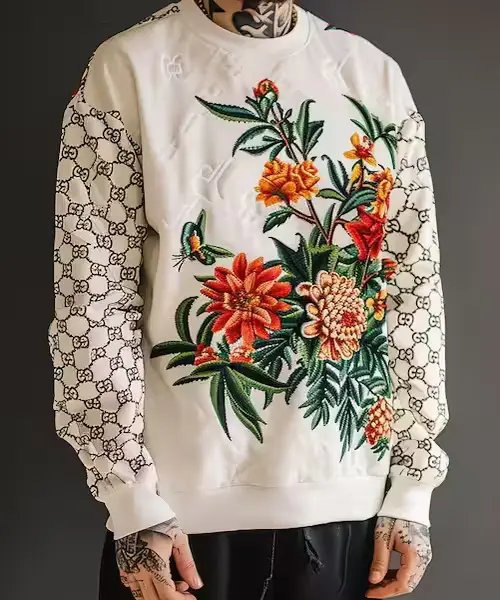
Explore Different Sweatshirt Styles for Your Collection
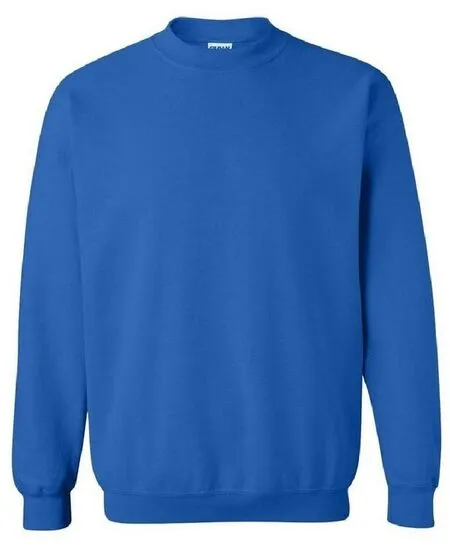
Sweatshirts are available in several silhouettes and constructions, making them suitable for different clothing categories. The classic crewneck sweatshirt features a round neckline and works well for everyday basics, corporate casualwear, and contemporary fashion collections. Its straightforward design also provides a suitable surface for embroidered logos, printed graphics, and understated branding.
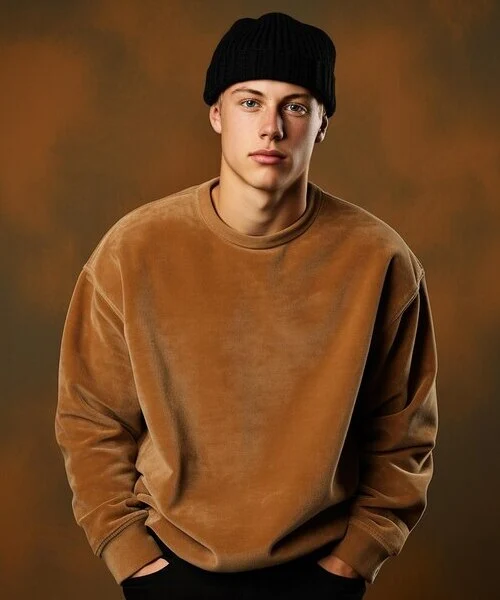
Oversized sweatshirts are popular in streetwear and relaxed-fit collections. Their wider body, dropped shoulders, and looser shape create a distinctive silhouette, but the proportions need to be planned carefully to maintain the intended appearance. Sleeve length, body width, ribbed cuffs, and overall garment length all contribute to the final fit.
Half-zip and quarter-zip sweatshirts offer an alternative to traditional pullovers, with a front zipper that introduces a more structured or sporty appearance. Depending on the design, they may suit casual fashion, travel-inspired clothing, and athleisure collections.
Other options include cropped sweatshirts, raglan-sleeve designs, colour-blocked styles, and fleece-lined sweatshirts for colder conditions. Each style has different construction requirements, so the design should be evaluated in relation to the intended wearer, fabric, and price positioning.
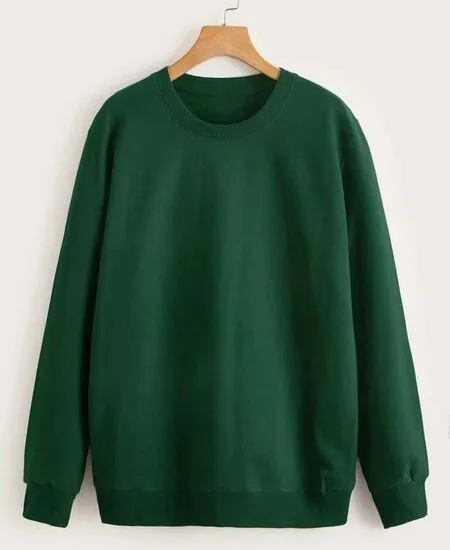
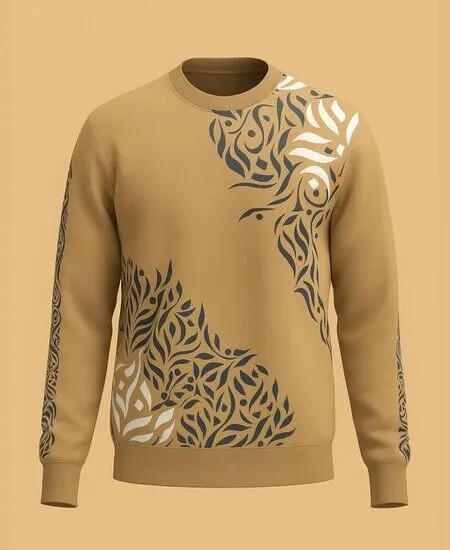
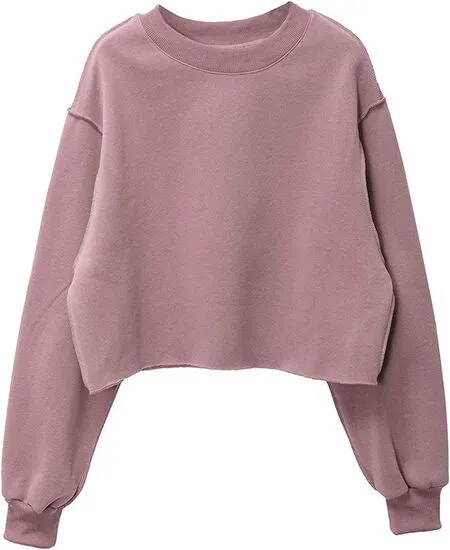

Choose Sweatshirt Fabric for Comfort, Weight, and Performance
Fabric selection is one of the most important decisions in custom sweatshirt manufacturing. It influences the garment’s softness, warmth, drape, durability, appearance, and suitability for different seasons. The right material depends on how the sweatshirt will be worn and the expectations of the target customer.
Cotton sweatshirts are valued for their familiar feel, breathability, and everyday comfort. They can work well for casualwear, premium basics, and fashion-led collections. Cotton-polyester blends may offer a different balance of comfort, shape retention, durability, and care characteristics, depending on the blend and fabric construction.
French terry is commonly used for sweatshirts that need a loop-backed interior rather than a brushed, fleece-like finish. It can be suitable for transitional-season clothing, lightweight streetwear, and relaxed casualwear. Brushed fleece fabrics, on the other hand, have a softer inner surface that can provide additional warmth and a cosy feel, making them a common choice for cooler-weather garments.
Buyers should also consider the fabric’s surface, shrinkage behaviour, colour consistency, stretch and recovery, and compatibility with the intended decoration method. A material that looks suitable in a photograph may behave differently once cut, sewn, washed, or printed, so sample evaluation is valuable before confirming bulk production.
Understanding Sweatshirt GSM and Fabric Weight
GSM, or grams per square metre, refers to the weight of sweatshirt fabric and helps brands select materials according to their desired thickness, comfort, and seasonal use. Sweatshirt fabrics commonly range from 240–320 GSM for lightweight to midweight styles, while 320–400 GSM options are suitable for heavier designs. Premium heavyweight sweatshirts may also use fabrics ranging from 400–450 GSM, depending on the construction and intended finish.
Lightweight fabrics around 240–280 GSM work well for layering, spring collections, and everyday casualwear. Midweight options between 280–350 GSM offer a balance of comfort, warmth, and versatility, while heavyweight fabrics of 350–450 GSM create a thicker feel, making them suitable for premium basics, oversized sweatshirts, and streetwear collections.
The appropriate GSM depends on the sweatshirt’s design, fit, and target market. For example, oversized sweatshirts may benefit from 350–450 GSM fabric to maintain structure, whereas relaxed everyday styles can use lighter materials for better drape and flexibility. Albeeza Apparel helps buyers select suitable fabric weights as part of the product development process, considering material composition, construction, comfort, durability, and the intended retail market.
Sweatshirt Fit, Pattern Development, and Construction
A sweatshirt’s fit can influence both customer satisfaction and the overall appearance of a clothing collection. Standard, relaxed, oversized, cropped, and athletic-inspired fits each require different measurements and proportions. Simply increasing the size of a standard pattern does not always produce a well-balanced oversized silhouette; shoulder placement, sleeve width, body volume, and garment length should be considered together.
Construction details also affect the finished product. Necklines need suitable ribbing and secure attachment, while cuffs and waistbands should complement the fabric’s stretch and recovery. Shoulder seams, sleeve seams, hems, and stress points require appropriate stitching for the intended garment and expected use.
Buyers can provide a measurement chart, a reference garment, a technical specification sheet, or a detailed design brief to communicate their requirements. When samples are part of the agreed development process, they can help assess fit, fabric feel, proportions, and construction before moving forward with a larger order. Any requested changes should be documented clearly to reduce the risk of inconsistencies between the approved design and the final production batch.
Custom Sweatshirt Printing, Embroidery, and Branding
Branding gives a sweatshirt its distinctive identity and helps connect the garment to a clothing label’s wider collection. The right decoration method depends on the artwork, fabric surface, design placement, and desired finish.
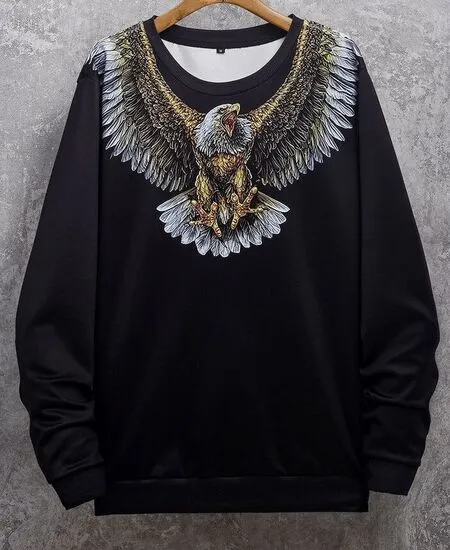
Screen printing can be suitable for bold graphics and repeat designs, while digital printing may be considered for artwork with fine details or multiple colours, subject to fabric compatibility and the selected process. Embroidery provides a textured finish that can work well for logos, lettering, and selected chest or sleeve details. Other possibilities may include appliqué, patches, woven labels, and custom neck labels, depending on the product specification and production requirements.
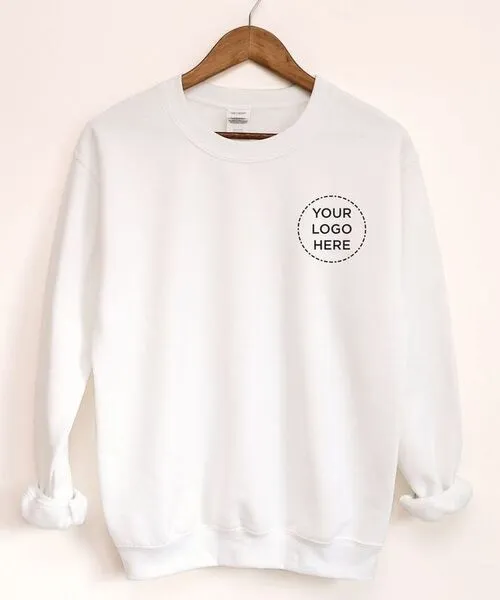
Placement matters as much as the technique. A small embroidered chest logo can create a restrained premium look, whereas a large back graphic may suit a statement streetwear design. Sleeve graphics, contrasting panels, and carefully positioned labels can also contribute to a recognisable collection.
Albeeza Apparel can discuss branding requirements with buyers during product planning. Before finalizing a decoration method, brands should consider its compatibility with the chosen fabric, the desired appearance after care, and the artwork’s production requirements.
Private Label Sweatshirts for Clothing Brands
Private-label manufacturing allows businesses to develop sweatshirts under their own brand identity rather than selling garments presented under another label. This can be useful for established apparel companies expanding their product range, new fashion labels preparing an initial collection, and retailers developing exclusive clothing lines.
A private-label sweatshirt may include custom colours, selected fabrics, branded labels, printed graphics, embroidery, and packaging details where agreed. The level of customization depends on the design brief, order requirements, material availability, and production arrangements.
For a coherent collection, brands should consider how sweatshirt designs relate to their other products. Matching colours, consistent logo placement, coordinated fabric choices, and a recognisable fit can help create a unified range across sweatshirts, hoodies, T-shirts, and custom tracksuits. Clear product specifications also help buyers communicate expectations to the manufacturer and compare samples against the intended design.
Wholesale Sweatshirt Production for Retail and Resale
Wholesale sweatshirts are relevant to clothing retailers, online stores, distributors, promotional clothing businesses, and apparel brands purchasing garments for resale. Depending on the buyer’s business model, an order may focus on a single established style, a selection of colours, or a broader collection with different fits and branding treatments.
Before requesting a wholesale quotation, buyers should define the intended quantity, fabric composition, GSM, size range, colours, decoration requirements, and packaging preferences. These details influence material planning, production complexity, and overall pricing. Minimum order quantities, available customization options, and production schedules should be confirmed directly with the manufacturer rather than assumed to be the same for every design.
For businesses comparing sweatshirt suppliers, price is only one consideration. Fabric consistency, workmanship, communication, sample approval, and the ability to follow documented specifications are also important when evaluating a potential manufacturing relationship.
Sweatshirts for Streetwear, Casualwear, and Athleisure
Sweatshirts can serve different markets without requiring every design to follow the same construction approach. Streetwear collections may focus on oversized fits, heavyweight materials, graphic artwork, and distinctive colour combinations. Casualwear ranges often prioritise comfort, versatility, and designs that can be worn with jeans, joggers, or layered outfits.
Athleisure-inspired sweatshirts may use flexible fabrics, practical fits, and understated branding to complement joggers and other sports-inspired clothing. Corporate or promotional apparel may require simpler designs with clear logo placement and colours that align with an organisation’s visual identity.
Understanding the intended use helps determine which features deserve priority. A garment designed for everyday layering may not need the same fabric weight as a winter-focused sweatshirt, and a detailed fashion design may require different finishing considerations from a straightforward promotional style. Albeeza Apparel works with the product brief to help buyers consider these differences when defining their sweatshirt requirements.
Quality Considerations in Sweatshirt Manufacturing
A well-developed sweatshirt should be evaluated through its material, construction, fit, finishing, and overall consistency. Fabric should be checked against the agreed composition, weight, colour, and surface characteristics. Seams should be assessed for secure stitching and a neat finish, while ribbed cuffs and waistbands should suit the garment’s design and intended fit.
Shrinkage, colourfastness, pilling, and shape retention may also matter, depending on the fabric and target market. Where these characteristics are important, buyers can discuss suitable testing or inspection requirements before production. Any performance claims should be supported by relevant material information or test results rather than assumed from appearance alone.
Sample review and documented specifications can help identify differences before a larger order proceeds. For repeat orders, retaining the approved measurements, fabric details, colour references, and branding artwork can make it easier to communicate the required standard. This practical approach helps buyers set clear expectations and evaluate whether the delivered garments match the agreed product requirements.
Develop Your Custom Sweatshirt Collection With Albeeza Apparel
Choosing the right sweatshirt manufacturer is an important decision for clothing brands and wholesale buyers seeking a consistent product range. The right combination of fabric, GSM, fit, construction, finishing, and branding can help a sweatshirt meet its intended purpose while reflecting the identity of the business selling it.
Albeeza Apparel, based in Sialkot, Pakistan, welcomes inquiries from businesses exploring custom sweatshirt manufacturing, wholesale apparel, and private-label clothing. By sharing a design brief, reference images, material preferences, sizing details, and estimated order quantity, buyers can begin a focused discussion about their requirements and the options available for their collection.