
Custom Varsity Jackets Manufacturer in Sialkot, Pakistan - Albeeza Apparel
Albeeza Apparel is a custom clothing manufacturer and exporter based in Sialkot, Pakistan, working with businesses that want to develop apparel around their own designs and brand identity. Varsity jackets are a distinctive category of outerwear, recognised for their contrasting sleeves, ribbed collars and cuffs, snap-button fronts, and embroidered or appliquéd lettering. Originally associated with school and collegiate sports, they have become an established part of streetwear, casual fashion, team apparel, and contemporary clothing collections.
For clothing brands, a varsity jacket offers opportunities to combine classic styling with modern details. A design might feature traditional school-inspired lettering, a minimalist chest logo, oversized proportions, contrasting panels, or premium-looking embroidery. The finished garment depends on how well the materials, pattern, trims, and decorative elements work together.
Albeeza Apparel can discuss custom varsity jacket requirements with brands, retailers, and wholesale buyers according to their design briefs, fabric preferences, sizing needs, and branding specifications. This helps businesses define the product they want to develop before finalising manufacturing arrangements.
Understanding Traditional and Modern Varsity Jacket Styles
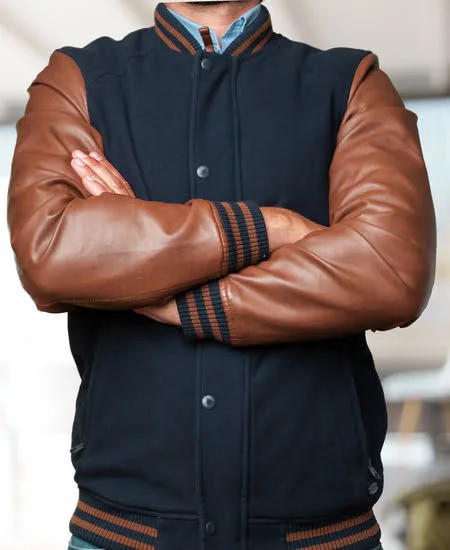
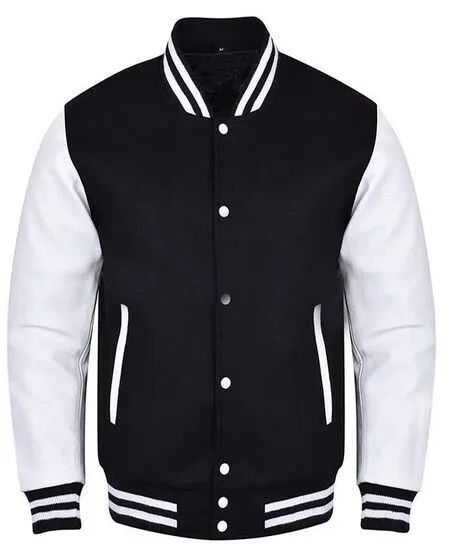
The classic varsity jacket, sometimes called a letterman jacket, is associated with collegiate sportswear. It traditionally combines a main body with contrasting sleeves, ribbed collar and cuffs, a front fastening, and a letter or emblem that represents a school, team, or organisation. Modern versions retain these recognisable features while introducing different fabrics, fits, colours, and branding treatments.
Collegiate varsity jackets often use bold lettering, traditional colour combinations, and striped ribbing to create a recognisable athletic look. They can suit school-inspired fashion labels, college-themed collections, and brands interested in heritage styling.
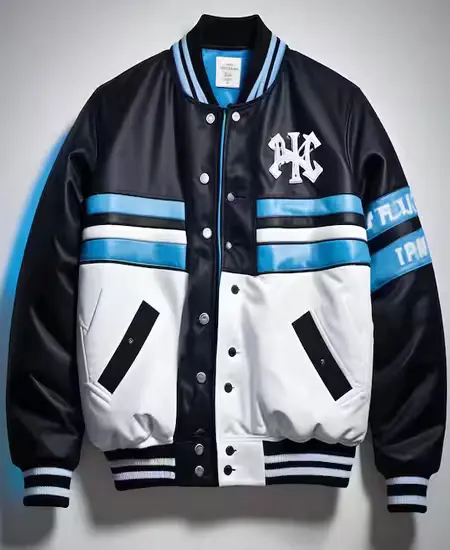
Streetwear varsity jackets often take a more expressive approach. Oversized proportions, large back graphics, layered appliqués, decorative patches, and unconventional colour blocking can help create a statement outerwear piece. The balance between body width, sleeve volume, and jacket length is particularly important when developing this silhouette.
Minimalist varsity jackets use the familiar shape with fewer decorative elements. A restrained logo, subtle contrast sleeves, tonal details, or simple ribbing can make the style suitable for contemporary casualwear collections.
Team and organisation jackets may incorporate names, numbers, emblems, or other identifying details. These designs can be planned around a club, group, institution, or brand’s visual identity, subject to the buyer’s authorisation to use the relevant artwork and marks.
Each style has different design priorities, so defining the target customer and intended market helps determine the appropriate construction and finish.
Give Your Varsity Jacket Design a Distinctive Identity
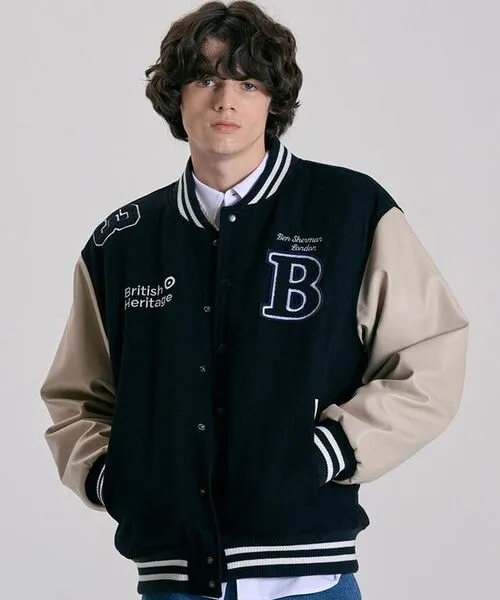
A varsity jacket should reflect the character of the collection it belongs to. A traditional collegiate design may feature a dark body, contrasting sleeves, striped ribbing, and a large chenille letter on the chest. A modern streetwear version might use an oversized fit, tonal embroidery, unusual colour combinations, or custom artwork across the back. Premium casualwear collections may favour cleaner lines and restrained branding.
Albeeza Apparel approaches custom jacket development around the intended design rather than assuming that every varsity jacket needs the same construction. Buyers can share reference photographs, sketches, artwork, colour palettes, measurement charts, and material preferences to communicate their expectations. These details help clarify the overall silhouette and the decorative features that define the product.
The design process should consider appearance and practicality together. Sleeve material, body weight, lining, pocket construction, fastening choice, and ribbed trims all contribute to the jacket’s final look and feel. When these elements are planned as part of one design, the result is more likely to reflect the original concept.
Choosing the Right Materials for Varsity Jackets
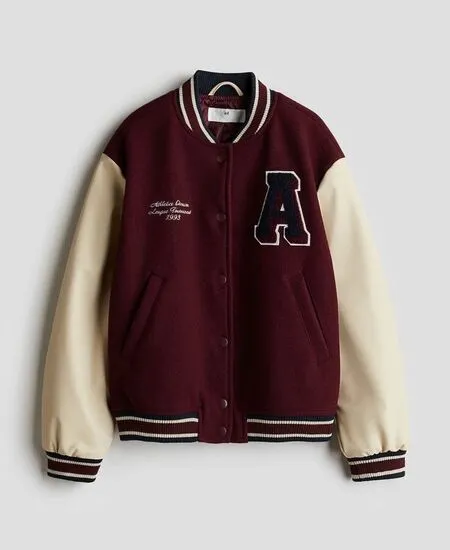
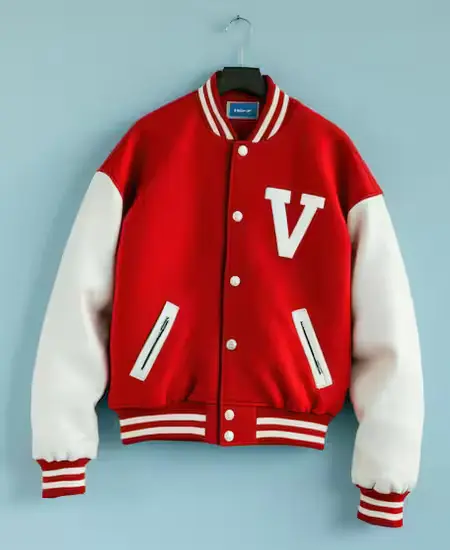
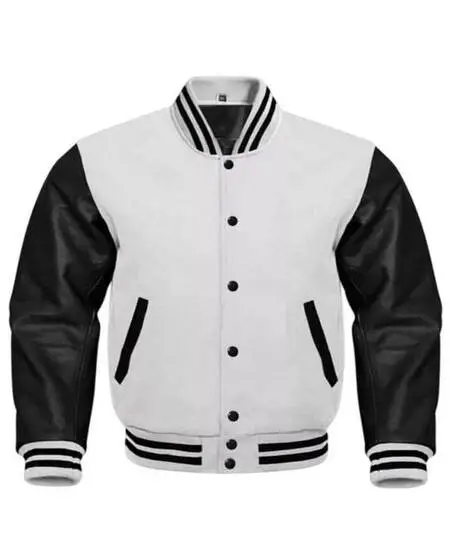
Material selection influences a varsity jacket’s warmth, structure, comfort, durability, and overall appearance. Traditional-inspired designs often combine a wool-blend or similar textured body fabric with contrasting sleeves made from leather or a suitable leather alternative. Contemporary designs may also use fleece, melton-style fabric, polyester blends, or other materials selected for the desired look and intended price point.
Wool-blend and melton-style fabrics can provide a structured appearance associated with traditional collegiate outerwear. Their suitability depends on fibre composition, fabric weight, surface finish, and the level of structure required by the design.
Polyester and blended fabrics may be considered for lightweight jackets or styles where particular care and maintenance characteristics are desired. The performance of each fabric depends on its construction and finishing, so the material should be evaluated for the intended use rather than chosen by fibre name alone.
Leather sleeves can give a varsity jacket a distinctive, traditional appearance, while synthetic leather alternatives offer another design option. Buyers should specify their preferred material clearly, as genuine leather and synthetic alternatives differ in texture, maintenance, construction considerations, and cost.
Fleece and knitted fabrics can suit relaxed, casual versions of the varsity jacket. These materials may create a softer appearance and can work well for collections intended for everyday layering.
The body and sleeve materials should complement each other in weight, colour, texture, and drape. Compatibility matters during sewing as well: different materials may behave differently when cut, stitched, or handled. Buyers should discuss these details during product development and review a sample where sampling is included in the agreed process.
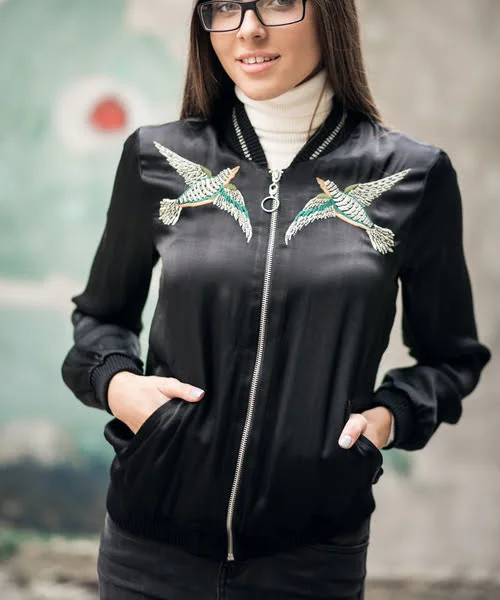
Jacket Weight, Lining, and Seasonal Comfort
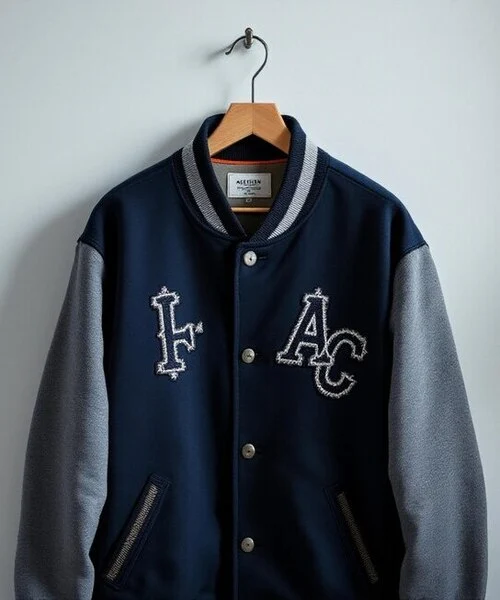
The appropriate varsity jacket weight depends on its intended season and use. A lightweight design may be suitable for mild weather and indoor layering, while a more substantial body fabric and lining can provide a warmer garment for cooler conditions. However, the overall warmth of a jacket depends on several factors, including the outer material, lining, fit, and construction.
Unlike many T-shirts and sweatshirts, varsity jackets are usually made from outerwear fabrics rather than being specified by GSM alone. Fabric weight remains relevant, but buyers should also consider the material’s thickness, structure, wind resistance, and compatibility with the sleeves and trims.
Lining can improve comfort and support the garment’s internal finish. Depending on the design, it may be smooth and lightweight or selected to complement a warmer outerwear construction. The lining should work with the jacket’s fit and intended layering use without creating unnecessary bulk.
Albeeza Apparel can discuss material and lining preferences as part of a custom jacket brief. Buyers should identify the climate, season, and intended wearing conditions so that the selected materials and construction can be assessed against the product’s purpose.
Custom Varsity Jacket Embroidery, Chenille Letters, and Patches
Decoration is one of the defining features of varsity jackets. The familiar collegiate look often relies on prominent letters, but modern brands can use a range of techniques to create a distinctive finish. The appropriate method depends on the artwork, fabric surface, placement, design complexity, and desired visual effect.
Embroidery creates stitched lettering or artwork and can suit chest logos, sleeve details, names, and selected back designs. Its appearance depends on the thread, stitch density, artwork size, and base material. Complex designs may need to be adapted to ensure that the details reproduce appropriately in embroidery.
Chenille lettering uses a textured, raised surface commonly associated with traditional letterman jackets. It can create a bold collegiate appearance for large initials, numbers, or selected graphics. The size, outline, colour, and placement should be planned in proportion to the jacket’s body and overall design.
Appliqué and patches allow shapes, letters, or artwork to be applied to the jacket surface using separate material pieces. These can be combined with embroidery to create layered designs. Printed graphics may also be considered where they suit the material and intended finish.
For brands developing custom varsity jackets, decoration should be planned alongside the jacket pattern. Large back artwork, for example, needs sufficient space and suitable placement, while chest and sleeve details should remain balanced with the overall design. Buyers should provide clear artwork files and confirm placement, dimensions, colours, and the intended decoration technique before production.
Ribbed Collars, Cuffs, and Waistbands
Ribbed trims are a key part of the varsity jacket’s recognisable shape. The collar, cuffs, and waistband often use contrasting colours or stripes to reinforce the collegiate aesthetic. Although these components may appear decorative, their construction also affects how the jacket fits and sits on the body.
Ribbing should be appropriate for the garment’s fabric and dimensions. The collar needs to complement the neckline, while cuffs should fit comfortably around the wrists without being unnecessarily tight or loose. The waistband influences how the jacket rests at the hips and contributes to its overall silhouette.
Brands can choose solid-colour ribbing for a minimal appearance, striped trims for a traditional design, or custom colour combinations to match their visual identity. These details can also coordinate with sleeve panels, embroidery, and snap-button colours.
Because ribbed trims are visually prominent, colour matching and consistency matter. Buyers should identify their preferred colours and stripe patterns in the product brief and review them as part of the sample or approval process where applicabl
Varsity Jacket Fit, Pattern Development, and Sizing
Fit is central to the appearance of a varsity jacket. A traditional cut may have a relatively defined body shape, while a modern streetwear version may use dropped shoulders, wider sleeves, and a more generous body. Cropped or longer variations can also change the character of the design.
Pattern development should consider chest width, shoulder placement, sleeve length, armhole shape, jacket length, and waistband position. The relationship between these measurements determines how the jacket sits and how much room it provides for layering. Simply increasing all measurements proportionally may not create the intended oversized silhouette, so the proportions need to be planned together.
For brands serving different customer groups, a clear size chart helps communicate fit expectations. Buyers can provide garment measurements, reference garments, or a technical specification sheet to establish the intended proportions. They should also clarify whether the measurements refer to the garment itself or the wearer’s body.
When sample development is included in the order, the sample can be reviewed for fit, movement, sleeve balance, and layering comfort before bulk production is approved. Any requested changes should be documented clearly so the approved specifications remain the reference for the order
Custom Varsity Jackets for Streetwear and Fashion Labels
Varsity jackets have a strong place in streetwear because their traditional construction provides a recognisable base for creative styling. Brands can reinterpret the silhouette through colour blocking, large back artwork, oversized fits, textured patches, contrast sleeves, and coordinated branding. The result can range from a classic collegiate-inspired garment to a contemporary statement jacket.
A well-planned design considers how the jacket will work with the rest of the collection. Colour choices may complement T-shirts, hoodies, sweatshirts, or tracksuits, while the jacket’s fit should suit the intended styling. A heavyweight-looking body with contrasting sleeves can create a different impression from a lightweight jacket with minimal decoration, even when both follow the same basic pattern.
Albeeza Apparel can discuss these design directions with businesses planning a custom outerwear range. Buyers should explain the intended customer, preferred silhouette, material expectations, and branding approach to help establish a clear product specification.
For fashion labels, the goal is not simply to reproduce a familiar varsity style. It is to develop a jacket with a considered combination of materials, fit, and details that reflects the brand’s own identity.
Brands building a complete outerwear range can also add custom puffer jackets alongside varsity styles for colder seasons
Private Label Varsity Jacket Manufacturing
Private-label manufacturing gives clothing brands the opportunity to offer varsity jackets under their own name and visual identity. Depending on the agreed design and available options, a custom product may incorporate selected fabrics, contrasting sleeves, branded labels, embroidery, chenille lettering, patches, custom colour combinations, and packaging details.
For an established brand, private-label jackets can extend an existing collection into outerwear. For a newer label, they can form part of a launch range or a limited seasonal release. Retailers may also explore custom designs for exclusive collections, provided the design and order requirements are suitable for the manufacturing arrangement.
Clear documentation is important when developing a private-label product. Buyers should supply their logo files, colour references, label artwork, garment measurements, and material preferences. They should also clarify which elements are essential and which may be adjusted if a material or construction choice needs to be reviewed.
Albeeza Apparel can discuss these requirements with buyers as part of the product planning process. Any use of third-party logos, school insignia, team marks, or licensed artwork should be authorised by the buyer.
Wholesale Varsity Jackets for Retail and Resale
Wholesale varsity jackets can appeal to fashion retailers, online clothing stores, streetwear labels, distributors, and businesses developing branded apparel. Some buyers may need a straightforward design in several colours, while others may require customised jackets with embroidery, patches, or more detailed construction.
The cost of a varsity jacket depends on the materials, sleeve construction, lining, trims, decoration methods, order quantity, and other production requirements. Genuine leather sleeves, detailed chenille lettering, multiple appliqués, and complex colour combinations can create different cost considerations from a simpler fabric-based design.
Before requesting a quotation, buyers should define the jacket style, body and sleeve materials, lining preference, colourways, size range, artwork, and estimated quantity. They should also confirm minimum order quantities, sample arrangements, production schedules, and shipping terms directly with the manufacturer.
For wholesale businesses, consistency across sizes and garments is important. A clear specification and an agreed approval process help establish what the manufacturer is expected to produce and give the buyer a reference for reviewing the finished order.
Quality Considerations in Varsity Jacket Production
A varsity jacket combines several components, so quality assessment should consider how those parts work together. The body fabric and sleeves should match the agreed material requirements, while the collar, cuffs, and waistband should be appropriately attached and proportioned. Stitching should be suitable for the materials, with particular attention to seams that experience stress during wearing.
Fastenings, pockets, lining, and internal finishing also contribute to the garment’s usability and appearance. Where leather or synthetic leather is used, buyers should evaluate the selected material’s surface, flexibility, care requirements, and compatibility with the rest of the jacket. Embroidery, chenille letters, and appliqués should be checked for placement, dimensions, and alignment with the approved artwork.
Measurements should be compared against the agreed size chart, and colour consistency should be assessed across the body fabric, sleeves, trims, and decorative elements. Depending on the product’s intended use, buyers may also specify suitable checks for colourfastness, seam strength, or other relevant characteristics.
No single feature guarantees overall garment quality. A structured review of materials, fit, construction, decoration, and finishing provides a more useful basis for assessing whether the finished jacket matches the agreed requirements.
Develop Your Custom Varsity Jacket Collection With Albeeza Apparel
A distinctive varsity jacket brings together recognisable collegiate styling and the details that make a clothing brand unique. Material selection, sleeve construction, ribbed trims, fit, fastenings, and decoration all contribute to the final product. When these elements are planned together, the jacket can align more closely with the intended market and the rest of the collection.
Albeeza Apparel welcomes inquiries from clothing brands, retailers, and wholesale buyers exploring custom varsity jacket manufacturing in Pakistan. Whether the concept involves traditional letterman styling, contemporary streetwear, private-label outerwear, or a team-inspired design, buyers can begin by sharing their references, material preferences, measurements, branding requirements, and estimated quantities.