
Medical Uniform Manufacturer and Wholesale Supplier in Pakistan
Hospital uniforms play an important role in healthcare environments, where professional appearance, comfort, and practical performance need to work together. From nurses and doctors to reception staff, laboratory teams, and hospital support personnel, each department may require clothing suited to its responsibilities and working conditions. Albeeza Apparel, a custom clothing manufacturer and exporter based in Sialkot, Pakistan, provides a foundation for businesses and healthcare uniform suppliers looking to develop hospital uniforms according to their intended use, design preferences, and purchasing requirements.
Through a custom manufacturing approach, Albeeza Apparel can work with buyers to discuss garment styles, fabric options, colour preferences, sizing, and branding requirements. Whether a business is sourcing uniforms for a healthcare organisation or developing a collection for wholesale distribution, the aim is to create apparel that reflects the professional standards of healthcare workplaces while meeting the specifications agreed upon for each order.
Custom Hospital Uniforms for Different Healthcare Departments
Healthcare facilities bring together professionals who perform different roles throughout the day. A uniform suitable for a nursing team may differ from clothing selected for a medical practitioner, laboratory employee, or administrative department. For this reason, hospital uniform requirements are best considered according to the work environment, expected movement, garment coverage, and workplace dress policies.
Albeeza Apparel can discuss customised uniform designs for different healthcare-related roles, helping buyers coordinate colours, garment styles, and sizing across their selected range. Depending on the requirements, a collection may include medical scrubs, clinical tops, trousers, tunics, lab coats, and other garments intended for healthcare workplaces. Coordinating these elements can help organisations maintain a consistent appearance without overlooking the practical needs of individual departments.
Medical Scrubs Designed for Daily Clinical Work
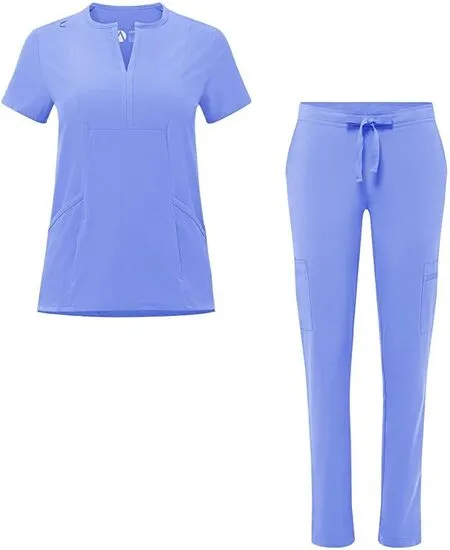
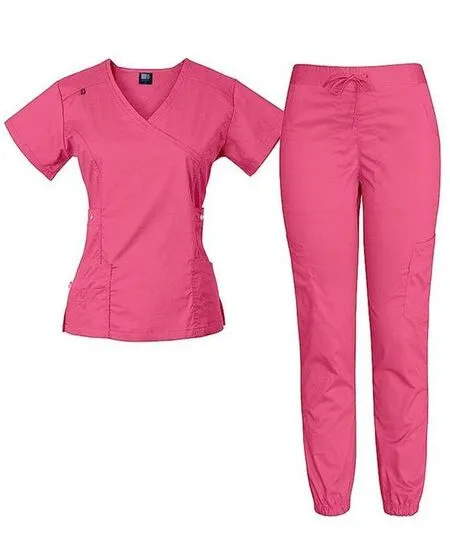
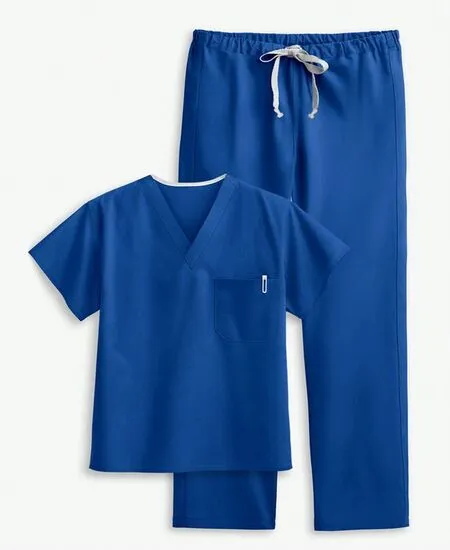
Medical scrub sets for healthcare professionals
Medical scrubs are widely used in clinical environments because their straightforward construction supports ease of movement and a consistent workplace appearance. Scrub tops and trousers can be developed in different cuts, sleeve styles, necklines, and colour combinations to suit the preferences of healthcare organisations and uniform distributors.
For buyers sourcing medical scrubs through Albeeza Apparel, important design considerations include garment fit, fabric weight, pocket placement, stitching, and the intended frequency of use. A practical design should allow staff to move comfortably during routine duties while providing suitable coverage. Depending on the chosen specifications, buyers can also discuss coordinated tops and bottoms, size ranges, and colour options for different teams.
Fabric selection deserves particular attention because healthcare garments may be worn for extended shifts and laundered frequently. The appropriate material depends on factors such as breathability, durability, ease of care, and the uniform policy of the intended facility. Final fabric performance should be assessed against the actual product specifications rather than assumed from the garment style alone.
Hospital Uniforms for Nurses and Nursing Staff
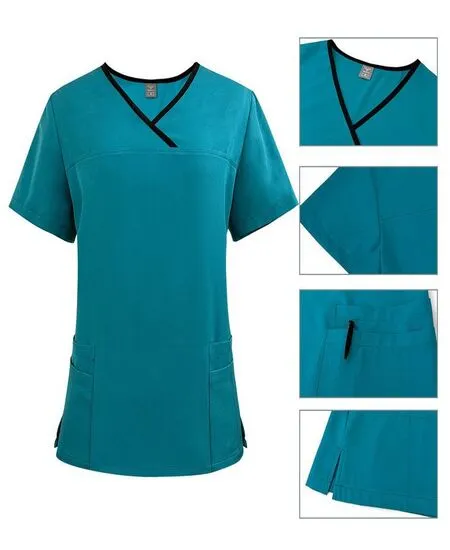
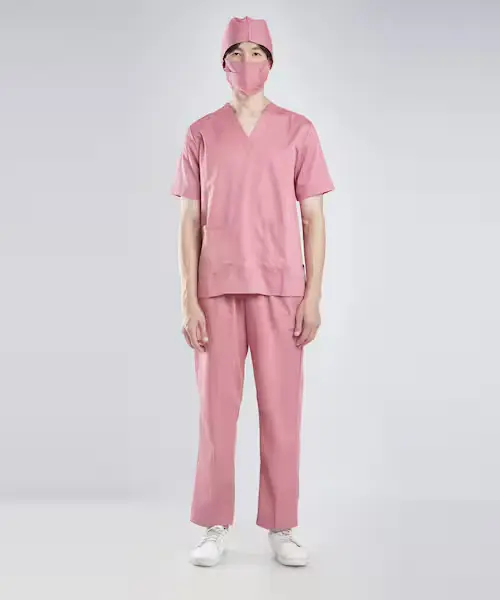
Nursing staff often move between patient-care areas, treatment rooms, corridors, and other clinical spaces. Their uniforms therefore need to balance a professional appearance with comfort, mobility, and practical details. Depending on the facility’s dress code, nursing uniforms may include scrub sets, tunics, trousers, or coordinated tops designed for everyday clinical duties.
Albeeza Apparel can discuss nursing uniform designs based on the buyer’s preferred fit, sleeve length, colour palette, and functional requirements. Pocket positioning, garment length, and ease of movement are useful considerations when developing a design for regular workplace use. Buyers may also request coordinated styles for different teams while retaining distinctions through approved colours or other design details.
Uniform requirements vary between healthcare organisations, so a design should be reviewed against the facility’s own guidelines before production specifications are finalised. This helps ensure that the selected garments are appropriate for their intended roles and workplace conditions.

Doctor Coats and Professional Medical Apparel
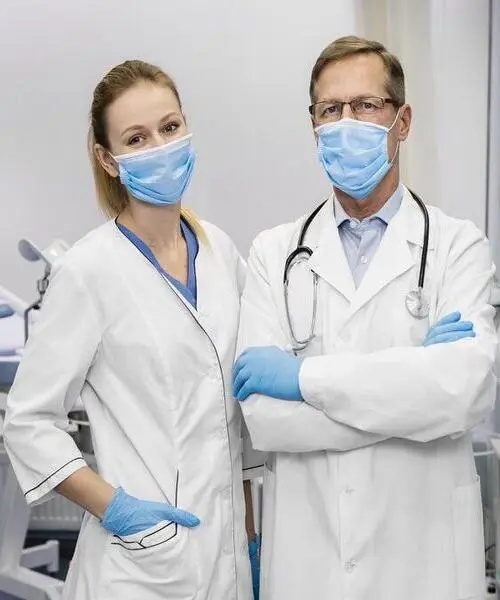
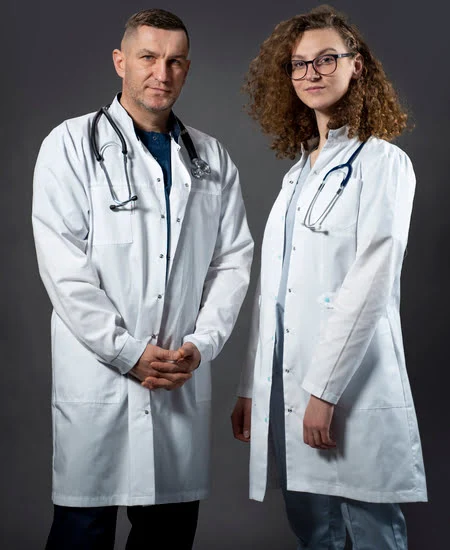
Doctors and other medical professionals may require garments that provide a recognisable professional appearance while fitting the expectations of their working environment. Depending on the organisation, this can include lab coats, clinical jackets, medical tunics, or other professional garments worn over approved clothing.
Albeeza Apparel can discuss custom doctor coat designs with attention to length, collar style, sleeve construction, closures, pocket arrangements, and fabric selection. Buyers can also consider whether the garment should have a classic formal appearance or a more contemporary fit. Embroidered names, department identifiers, or organisational logos may be considered where required and compatible with the selected garment.
A professional coat should be designed around its actual purpose. For example, a garment intended for general clinical wear may have different requirements from clothing used in a laboratory or another specialist setting. Buyers should confirm relevant workplace policies and any specific protective requirements before selecting materials and construction details.
For winter shifts and outdoor duties, hospitals can add custom puffer jackets to the staff uniform range for extra warmth.
Healthcare Uniforms for Laboratories and Support Teams
Hospitals rely on more than doctors and nurses. Laboratory personnel, diagnostic teams, pharmacy staff, cleaning teams, porters, and other support workers may all require clothing suited to their work areas. Providing suitable garments for these groups can help an organisation maintain a coordinated appearance while recognising the different responsibilities within the facility.
Depending on the intended application, Albeeza Apparel can discuss garments such as lab coats, tunics, trousers, scrub-style clothing, and other uniform options for healthcare support teams. Design decisions may include coverage, fit, ease of movement, fabric care, and colour coordination. Buyers should identify the intended working environment clearly because general uniforms are not automatically suitable for every laboratory, cleaning task, or clinical hazard.
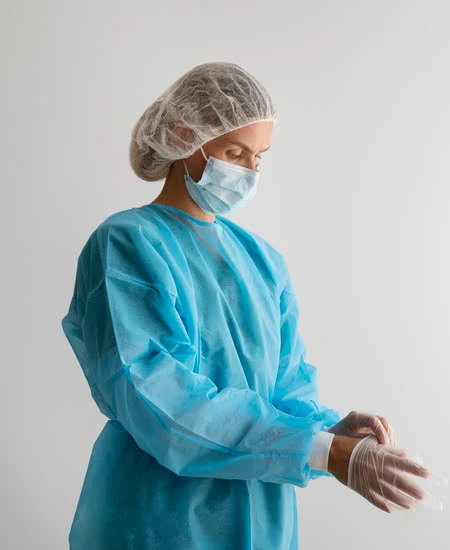
Where specialised protective clothing is needed, the garment’s performance and compliance requirements should be established separately. Ordinary hospital uniforms should not be treated as substitutes for certified protective equipment or garments designed for specific biological, chemical, or other occupational risks.
Choosing Suitable Fabrics for Hospital Uniforms
Fabric selection influences how a hospital uniform feels, looks, and performs during regular use. Healthcare buyers may need to consider breathability, durability, colour retention, ease of laundering, wrinkle behaviour, and the level of comfort required for long working hours. The right choice depends on the garment design, local climate, workplace conditions, laundering procedures, and the purchasing budget.
Cotton-rich fabrics may appeal to buyers who prioritise a soft feel and breathability, while polyester or blended fabrics may be considered where durability, shape retention, or care requirements are important. However, the performance of any material depends on its composition, construction, finish, and tested characteristics. Buyers should review the available fabric specifications and care instructions before confirming an order.
Albeeza Apparel can discuss fabric options in relation to the intended uniform range and agreed requirements. For organisations that expect frequent laundering, it is particularly useful to consider how the chosen material is expected to handle repeated washing, drying, and everyday wear. Where infection-control procedures apply, fabric and garment choices should follow the healthcare facility’s established policies.
Custom Colours, Sizes, and Uniform Branding
A coordinated uniform programme can help healthcare organisations establish a clear and consistent visual identity. Some facilities use different colours to distinguish departments, while others prefer a standard colour scheme across most of their workforce. The choice should reflect internal policies and the needs of the intended users rather than appearance alone.
Through custom uniform discussions, Albeeza Apparel can consider colour preferences, garment measurements, size ranges, and selected design details. Buyers sourcing for teams with varied body measurements should review the proposed sizing information and fit requirements before approving production. A clear size specification can help reduce avoidable mismatches when uniforms are ordered for multiple employees.
Branding can also be incorporated into the design where requested. Options may include embroidered logos, printed identifiers, names, or department markings, depending on the garment, placement, and branding method selected. Logo files, colours, dimensions, and placement should be confirmed before production so the final design aligns with the organisation’s approved identity.
Wholesale Hospital Uniforms for Healthcare Suppliers
Uniform distributors, medical clothing retailers, and other wholesale buyers often need a consistent product range that can serve different customers and purchasing requirements. This may involve sourcing multiple styles, coordinating colour options, planning a size range, or developing garments under a buyer’s own brand.
As a clothing manufacturer and exporter based in Sialkot, Pakistan, Albeeza Apparel can discuss wholesale hospital uniform requirements with businesses seeking customised apparel. Buyers can outline the types of garments they need, expected quantities, target market, preferred materials, and branding specifications. These details help establish a clearer basis for discussing production suitability, pricing, and order arrangements.
Wholesale sourcing should be evaluated on more than the initial unit price. Garment construction, fabric specifications, sizing consistency, finishing, communication, and the ability to meet agreed requirements are also important considerations. Buyers should request confirmation of relevant product details, available samples where offered, minimum order quantities, production timelines, and shipping arrangements before placing an order. These terms should be confirmed for the specific project rather than assumed to be identical for every product or order.
Private Label Hospital Uniform Manufacturing
Businesses building their own medical apparel brands may need more than ready-designed garments. They may want to establish a distinct product identity through custom cuts, coordinated colours, labels, packaging, or other brand elements. Private label production can be an option when the manufacturing arrangement and requested specifications support it.
Albeeza Apparel can discuss private label hospital uniform projects with buyers who have a defined brand direction. The process may involve reviewing design references, selecting suitable materials, agreeing on garment measurements, confirming branding details, and documenting the required specifications. Clear communication at the development stage helps all parties understand the intended product before an order is approved.
Buyers should confirm which customisation and private label services are available for their particular project, including any requirements for labels, packaging, samples, and production quantities. This provides a more reliable basis for planning a uniform collection than relying on general assumptions about manufacturing services.
Quality Considerations in Hospital Uniform Production
Hospital uniforms are often expected to withstand regular wear, movement, and repeated laundering. Quality assessment should therefore consider the complete garment rather than its appearance alone. Fabric suitability, seam construction, stitching consistency, sizing accuracy, finishing, closures, and pocket attachment can all affect how a uniform performs in daily use.
For a custom order, buyers can establish a written specification covering the garment design, fabric composition, colours, measurements, tolerances, branding, and finishing requirements. Where samples are available, reviewing them before approving bulk production can help clarify fit and construction expectations. Buyers may also agree on inspection criteria that reflect the requirements of the order.
Albeeza Apparel’s role as a clothing manufacturer provides a starting point for discussing these requirements with prospective buyers. Specific quality controls, testing arrangements, certifications, and production standards should be verified directly for the relevant order. This is especially important where healthcare organisations have formal procurement policies or require documented evidence of material performance.
Develop a Custom Hospital Uniform Range with Albeeza Apparel
Hospital uniforms should reflect the practical demands of healthcare workplaces while supporting comfort, a professional appearance, and consistent organisational branding. From medical scrubs and nursing uniforms to doctor coats and garments for laboratory or support teams, each product needs to be considered according to its intended use, fabric requirements, and workplace policies.
Albeeza Apparel works in custom clothing manufacturing and export from Sialkot, Pakistan, providing businesses with an opportunity to discuss hospital uniform designs around their specific requirements. Healthcare uniform distributors, medical apparel brands, and wholesale buyers can share their garment specifications to explore suitable options for their intended market.